If you are weighing an electric motorcycle, the field is wider than most riders expect. The main electric motorcycle companies in this roundup are KTM, Zero, LiveWire, Energica, and Stark. They differ in battery size, suspension, charging speed, weight, and how much the software does for you. The sections below compare them on the specs that matter for real riding.
How We Chose These Companies
This roundup is built from manufacturer spec pages and published reviews, all listed in the Sources section. We did not ride these bikes ourselves, so every figure comes from those sources. We kept brands with enough published detail to compare on the same basics: battery, weight, suspension, charging, and warranty.
Where a source gives a price, we label it as a comparison price and note the year the source cites. Where a source leaves out a figure, we leave that point out rather than estimate it. Before you buy, check the current specs against the manufacturer, and read Electric Motorcycle Laws: What Riders Need to Know for rules that may affect where you can ride.
Electric Motorcycle Companies Worth Knowing
Each brand takes a different approach. The sections below cover the hardware, the electronics, and the details that stood out in the sources.
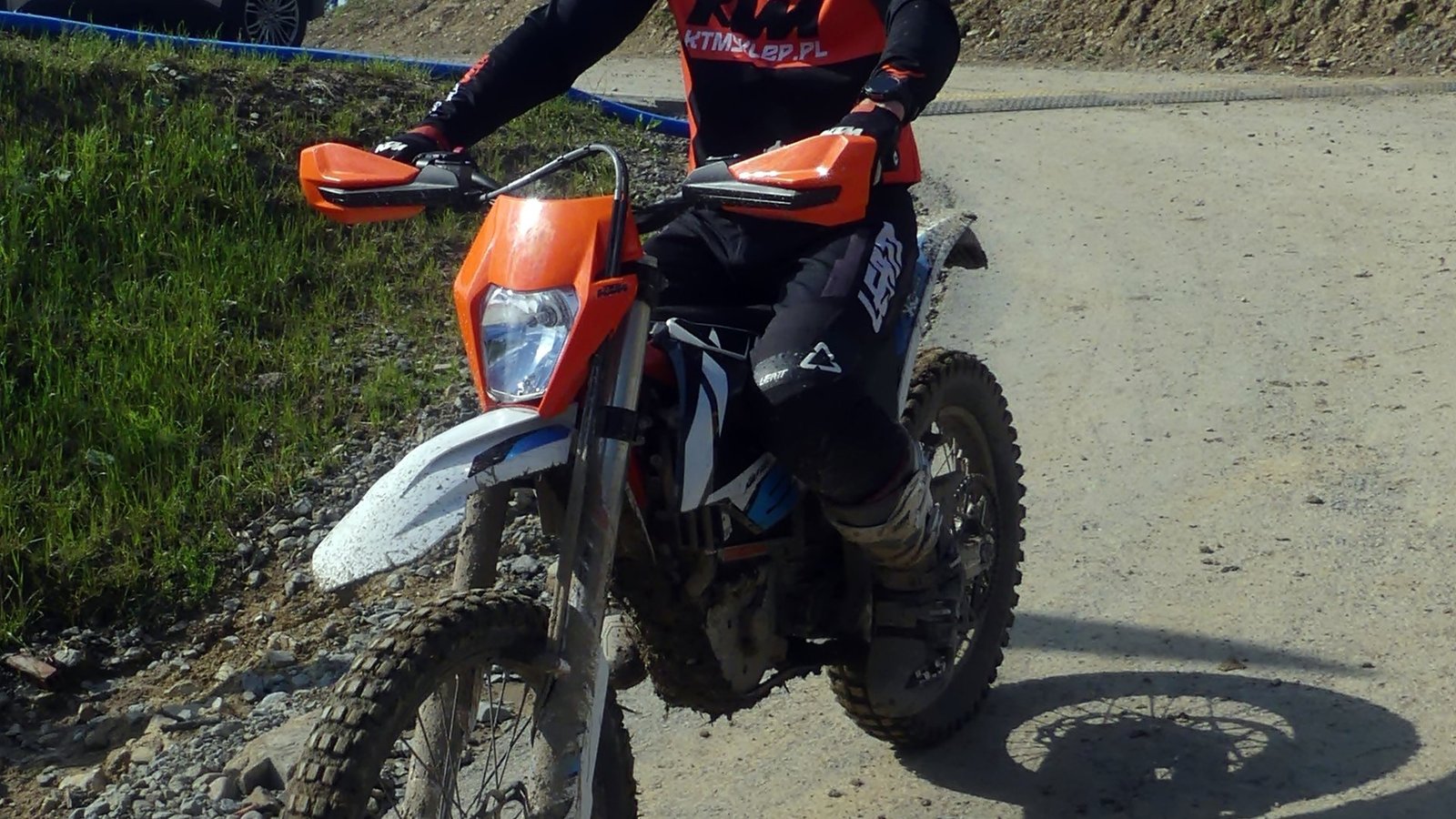
KTM FREERIDE E (2027)
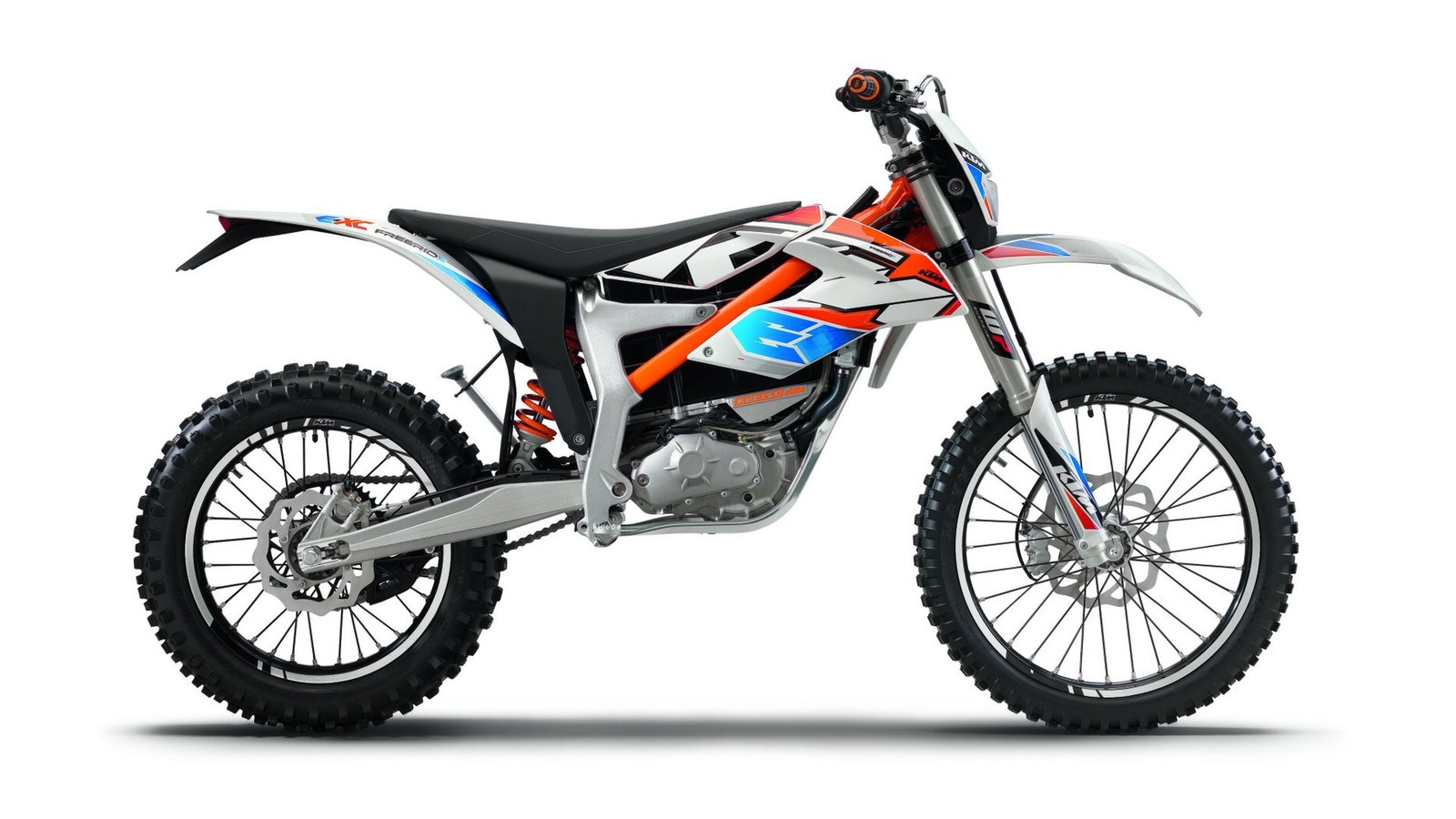
The 2027 KTM FREERIDE E has a 110 Ah battery and a maximum motor power of 19.2 kW. Its rated output is 8.3 kW, so the peak figure is well above the steady one. KTM lists capacity in amp-hours rather than kilowatt-hours, which makes direct comparison with the other brands harder.
The bike uses a 50.4 V PMSM electric motor. Charging power is 660 W, and the charger accepts a line voltage of 90 – 265 V at 50 – 60 Hz. Charging to 100% takes 480 minutes, and charging to 80% takes 360 minutes.
The bike weighs 112 kg without fuel, with a 910 mm seat height and 360 mm of ground clearance. Front suspension travel is 250 mm, and rear travel is 240 mm. Those numbers matter most on rough ground, where clearance and travel affect how the bike handles obstacles.
The front fork is a WP XACT USD unit, and the rear is a WP XPLOR shock with PDS. Front brake discs measure 260 mm, and rear discs measure 220 mm. The wheels are 1.60 x 21-inch front and 2.15 x 18-inch rear, with tire dimensions of 90/90 front and 120/90 rear.
The dashboard is an LCD unit shared with the KTM EXC-F dual-sport range. You cycle through state of charge, ride mode, and regen map with two buttons. Three ride modes change torque and power delivery, and three recuperation (regenerative braking) settings are available: OFF, MID, and HIGH.
A roll-over sensor cuts power when the FREERIDE E is tipped over. That is a useful safety feature, but it also means a tip-over can leave you stranded until the bike is upright and reset.
Zero XB and Zero SR/F
The Zero XB offers Eco, Standard, and Sport power modes on a 2.4-inch TFT display. Both models covered in the Zero review offer adjustable regenerative braking, hill hold, traction control, cruise control, and reverse. Those features cover most of what a touring rider will reach for on a long day.
The rear brake is operated by a left-side hand lever, like a scooter, with no foot controls. If you ride a conventional motorcycle, expect a period of adjustment. A six-axis IMU unlocks lean-sensitive anti-lock braking and traction control, so the electronics respond to how far the bike leans.
The Zero SR/F has a fully adjustable Showa 43mm BP-SFF fork with spring preload, rebound, and compression damping. The rear is a similarly adjustable Showa 40mm-piston piggyback shock. The bike offers five riding modes on the Cypher III+ operating system: Rain, Eco, Standard, Sport, and Canyon.
Canyon mode differs from Sport by using higher Neutral and Brake regen levels. That makes it a choice for riders who want more engine braking on twisty roads. The SR/F battery holds 14.4 kWh, compared with 15.4 kWh for the LiveWire.
LiveWire
The LiveWire ONE Base has a single-speed automatic transmission with no reverse. The setup is simple, but you should expect to push the bike backward in tight spots. Its battery holds 15.4 kWh.
The S2 Del Mar’s Eco mode sets regenerative deceleration at 80%. Its full-color four-inch dash adds turn-by-turn navigation and music control. The Del Mar also has two customizable ride modes, plus Sport, Road, Eco, and Rain modes, and cruise control.
The S2 Alpinista has phone connectivity, over-the-air updates, a four-inch round TFT display, and a USB-C port. Its listed maximum range is 120 miles (193.1 km). Its wet weight is 434 lbs (197 kg), which is the figure to compare against the dry weights on other bikes.
The Alpinista has a wheelbase of 56.8 in (1443 mm) and 4.9 in (125 mm) of ground clearance. Overall length is 82.6 in (2098 mm), and overall height is 44.2 in (1122 mm). A Showa inverted fork with adjustable preload and rebound damping has a listed front suspension size of 1.7 in (43 mm).
The limited warranty runs 24 months, and the battery warranty runs 60 months. A longer battery warranty is worth weighing, since the battery is typically the most expensive part to replace.
Energica Experia
The Experia has a fully adjustable ZF Sachs 43mm inverted fork with 5.9 in. of travel. The rear shock strokes 2.2 in., which gives 5.9 in. of wheel travel through the linkage. That is long-travel suspension, and it shapes how the bike behaves under braking.
Front brakes are radial-mount Brembo 4-piston calipers squeezing 330mm floating discs. The rear is a single 240mm disc gripped by a Brembo 2-piston caliper. The Experia also offers flexible corner entry control through regenerative braking.
The bike is fitted with Pirelli Scorpion Trail II tires, and traction control is handled by the Cornering Bosch 9.3 MP system. Cruise control is included. The 5-in. TFT display is rated at 1,000 nits with an 848 x 480 pixel resolution.
The reviewer found the handling deceptively light, with almost effortless side-to-side transitions. Cracking the throttle delivers immediate acceleration. The reviewer also noticed some forward chassis pitch during braking, which is typical of tall, long-travel suspension.
The same reviewer listed the Experia as still a big, heavy bike among its weaknesses. It weighs about 35 lb more than the Ducati Multistrada V4 S. The reviewer also said the Experia is priced for the well heeled.
For context, the previous Energica Ego has a 126 hp peak. That figure is for the earlier model, so it should not be read as a spec for the Experia.
Stark Varg EX
The Varg EX uses KYB suspension, which received excellent feedback. Its Brembo brakes worked well with no complaints. The reviewers’ notes suggest the chassis is a strong point, though they did not describe it as perfect.
The Varg EX uses an 18-inch rear wheel, compared with 19-inch on motocross bikes. Metzeler, Michelin, or Pirelli tires are available, and the review’s test bike had Metzeler Six Days Extreme tires. Tire choice matters on trails, so check which options your dealer stocks.
On the standard model, you can customize five maps with 10-60 hp and 0-100 engine braking. Reviewers found throttle control great without a clutch, and the sweet spot for trail riding was 25-35 hp. Those maps let you set the bike to suit the terrain.
The seat is not very comfortable for long periods of sitting. The Varg is significantly quieter than any gas-powered bike, though the cooling system generates some noise. Stark also says the transmission oil should be changed every 40 hours.
Stark claims that cost of ownership is about $600 for 100 hours of use, versus $6,327 for a typical ICE dirt bike. That is the manufacturer’s claim, not an independent figure, so test it against your own riding.
Comparison Table
The tables below use the listed comparison prices and the specs reported in the sources. A blank cell means the source did not give that figure.
| Model | Comparison price (USD) | Year cited |
|---|---|---|
| Energica Experia (base) | $23,750 | 2023 (review) |
| Can-Am Pulse | $13,999 | 2025 |
| LiveWire S2 Del Mar | $15,499 | 2024 (review) |
| Kawasaki e-1 ABS | $7,899 | Not listed |
| Kawasaki Ninja 7 Hybrid | $12,499 | Not listed |
The price list shows a wide spread, but the years are not uniform, so compare the figures with care. The Kawasaki e-1 ABS sits at the bottom of the list, while the Experia base model is the highest.
| Model | Battery | Weight | Range | Other listed spec |
|---|---|---|---|---|
| 2027 KTM FREERIDE E | 110 Ah | 112 kg without fuel | Not listed | 480 minutes to 100%; 360 minutes to 80% |
| LiveWire (model per review) | 15.4 kWh | Not listed | Not listed | Not listed |
| 2026 LiveWire S2 Alpinista | Not listed | 434 lbs (197 kg) | 120 miles (193.1 km) | 24-month limited warranty; 60-month battery warranty |
| Zero SR/F | 14.4 kWh | Not listed | Not listed | Five riding modes |
| Stark Varg EX | Not listed | Not listed | Not listed | Claimed $600 vs $6,327 per 100 hours |
The table makes one thing clear: the sources do not report the same specs for every bike. For a fair comparison, check the battery, weight, and charging details directly with each manufacturer.
Keep Reading on Gear & Road
- Best Electric Dirt Bikes 2026: Top Picks Compared
- Electric Dirt Bike Cost: 2025 Price Ranges Explained
- Electric Dirt Bikes for Adults: Price Ranges Explained
FAQ
Are electric motorcycles practical for long-distance touring?
It depends on how you plan. Tours must be planned around charging infrastructure. Check range and charge times before you commit; the LiveWire S2 Alpinista lists 120 miles (193.1 km), and the KTM FREERIDE E takes 480 minutes to reach 100%.
How long does it take to charge an electric motorcycle?
It varies by model. The 2027 KTM FREERIDE E takes 480 minutes to charge to 100% and 360 minutes to charge to 80%. Build charging stops into your route, and expect longer breaks than a gas fill-up.
What does an electric motorcycle cost to own compared with a gas bike?
Stark claims the Varg EX costs about $600 for 100 hours of use, versus $6,327 for a typical ICE dirt bike. Treat that as a manufacturer claim. Your own costs depend on electricity rates, maintenance, and how you ride.
What happens if an electric motorcycle tips over?
A roll-over sensor cuts power when the bike is tipped over. On the FREERIDE E, that sensor is a built-in protection. Once the bike is upright, you may need to restart it before you can ride.
Bottom Line
Pick an electric motorcycle based on how you ride. Long tours need charging plans, and some premium models are priced for the well heeled. If your budget is tighter, compare options in Best Motorcycles Under $8,000 in 2026, where the Kawasaki e-1 ABS is listed at $7,899. Expect comfort trade-offs too; the Varg EX seat is not very comfortable for long sitting.
Sources
- 2027 KTM FREERIDE E – PURE ELECTRIC FREEDOM | KTM United States
- Technical Specifications | 2027 KTM FREERIDE E | KTM United States
- 2026 Zero XB and XE Review – First Ride
- 2025 Zero SR/F
- 2025 LiveWire S2 Alpinista – First Look
- 2026 LiveWire S2 Alpinista®
- 2026 LiveWire ONE® Base
- 2024 LiveWire S2 Del Mar first ride review
- 2023 Energica Experia Review – First Ride
- 2025 Stark Varg EX Review