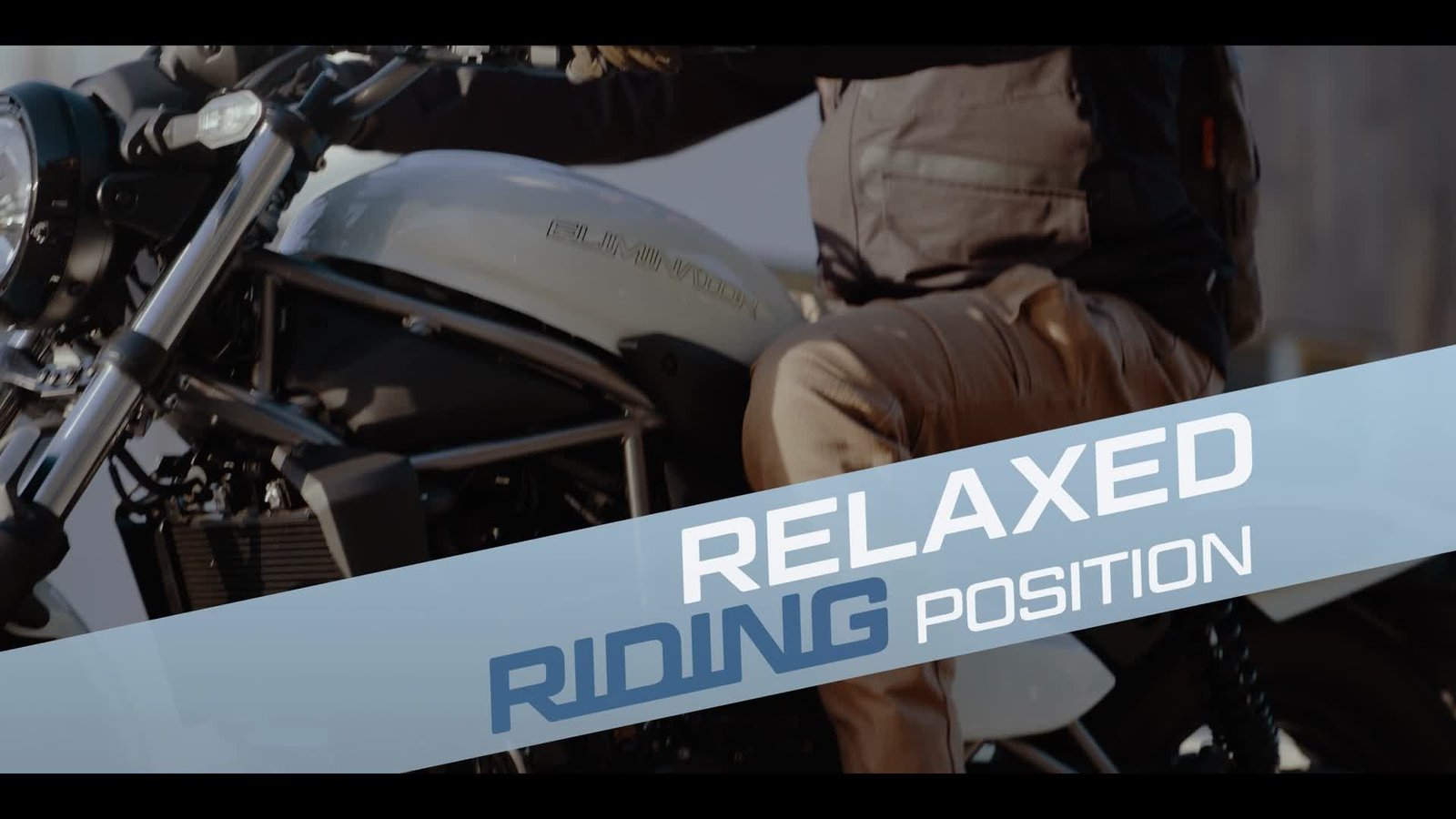
The Kawasaki Eliminator is a cruiser built around a Ninja-based 451cc parallel-twin, and Kawasaki calls it the most approachable motorcycle it has made. In the US, the 2026 Eliminator ABS lists at $6,799, and the base model without ABS lists at $6,649. It suits newer riders and shorter riders who want a manageable cruiser. It is a weaker fit if you need long suspension travel, a large fuel tank, or an adjustable front fork.
This guide covers the engine, chassis, features, trim levels, and price, followed by a short comparison and a FAQ.
Kawasaki Eliminator Overview
The current model is called the Eliminator 500, and it uses a 451cc parallel-twin engine. Kawasaki describes the bike with a low, comfortable seat and light, easy handling. Engine, seat, and handling set the feel of the whole bike.
The earlier 2024 Eliminator also used a 4-stroke parallel-twin with a 451cc displacement. That continuity matters if you are shopping used, because the core layout has not changed. Check the specific model year and trim before you compare prices.
Engine & Performance
The engine displaces 451 cc (27.5 cubic inches). It has 8 valves, four per cylinder, in a DOHC layout. The 2024 SE version uses a liquid-cooled engine of this design.
The engine uses fuel injection rather than a carburetor. For you, that means no carburetor sync or jetting work, which keeps the basic maintenance routine simpler for a newer owner.
On the Cycle World dyno, a 2024 Eliminator SE produced 47.22 hp at 10,430 rpm. Its torque peak was 29.03 lb-ft at 7,510 rpm. The torque peak comes well below the horsepower peak, so most of the usable pull sits in the lower and middle rev range, where you spend most of your time in traffic.
The Eliminator also uses an assist and slipper clutch. The assist cam lightens lever feel at the bar, and the slipper cam reduces back-torque during hard engine braking. That combination makes the clutch easier to use in stop-and-go riding, and it keeps the rear wheel calmer when you downshift quickly.
Chassis & Ergonomics
The seat height is 28.9 inches. One specification table lists it at 28.59 inches, so check the number on the bike you are looking at. A seat this low keeps your feet closer to the ground at stops, which helps shorter riders and beginners most.
The frame is a lightweight trellis design. Curb weight is 385.9 lb without ABS and 388.1 lb with ABS. The 2026 ABS version lists a dry weight of 361.6 lb (164 kg), and the non-ABS version lists 359.4 lb. The SE ABS version lists a curb weight of 390.3 lb.
The front suspension is a telescopic fork. It is a 41mm unit with 4.7 in of travel. It is nonadjustable, so you cannot tune it for a heavier rider or a rougher road. The rear uses twin shocks with preload adjustment and 3.1 in of travel.
Those travel numbers are modest. Front travel of 4.7 in and rear travel of 3.1 in suit smooth roads and city streets. If you ride broken pavement every day, you should weigh that before you buy.
The wheels are 18 inches up front and 16 inches at the rear. Ground clearance is 5.9 in (150 mm). The fuel tank holds 3.4 gallons in a tapered shape. That is a small tank for long days in the saddle, so plan fuel stops on longer routes.
A positive neutral finder helps you locate neutral below about seven mph or while stopped. That detail is useful for new riders, who often fumble for neutral at a light. The foot pegs are adjustable for both driver and passenger. That lets you dial in a comfortable riding position.
Features
ABS comes in two versions, with and without the system. Kawasaki’s ABS uses wheel speed sensors at the front and rear, and it modulates brake fluid pressure when it detects wheel lock. That gives you a safety option that works on both ends of the bike.
The front brake is a single 310mm disc with a twin-piston caliper. The rear is a single 220mm disc with a single-piston caliper. ABS is an option on the base trim, so you should confirm which version you are buying before you assume it is fitted.
The instrument panel is all-digital and includes a tachometer and gear position indicator. The headlight is a round LED unit. Kawasaki also lists LED lights and a small LCD display elsewhere in its material, so check the display on the model you test.
Smartphone connectivity runs through RIDEOLOGY THE APP MOTORCYCLE. Kawasaki lists ERGO-FIT and this app as special features on the 2026 model. The app shows vehicle information and telephone notices on the instrument panel, which is useful if you ride with your phone mounted.
Price & Trims
The 2026 Eliminator ABS has a standard MSRP of $6,799. The 2025 Eliminator ABS carried the same $6,799 price, plus a $650 destination charge. Always add the destination charge to your budget when you compare dealer quotes.
Kawasaki lists the base model without ABS at $6,649. ABS is standard on the ABS and SE ABS versions, and it is not on the base model. If you want ABS on the cheapest trim, you will need the ABS version.
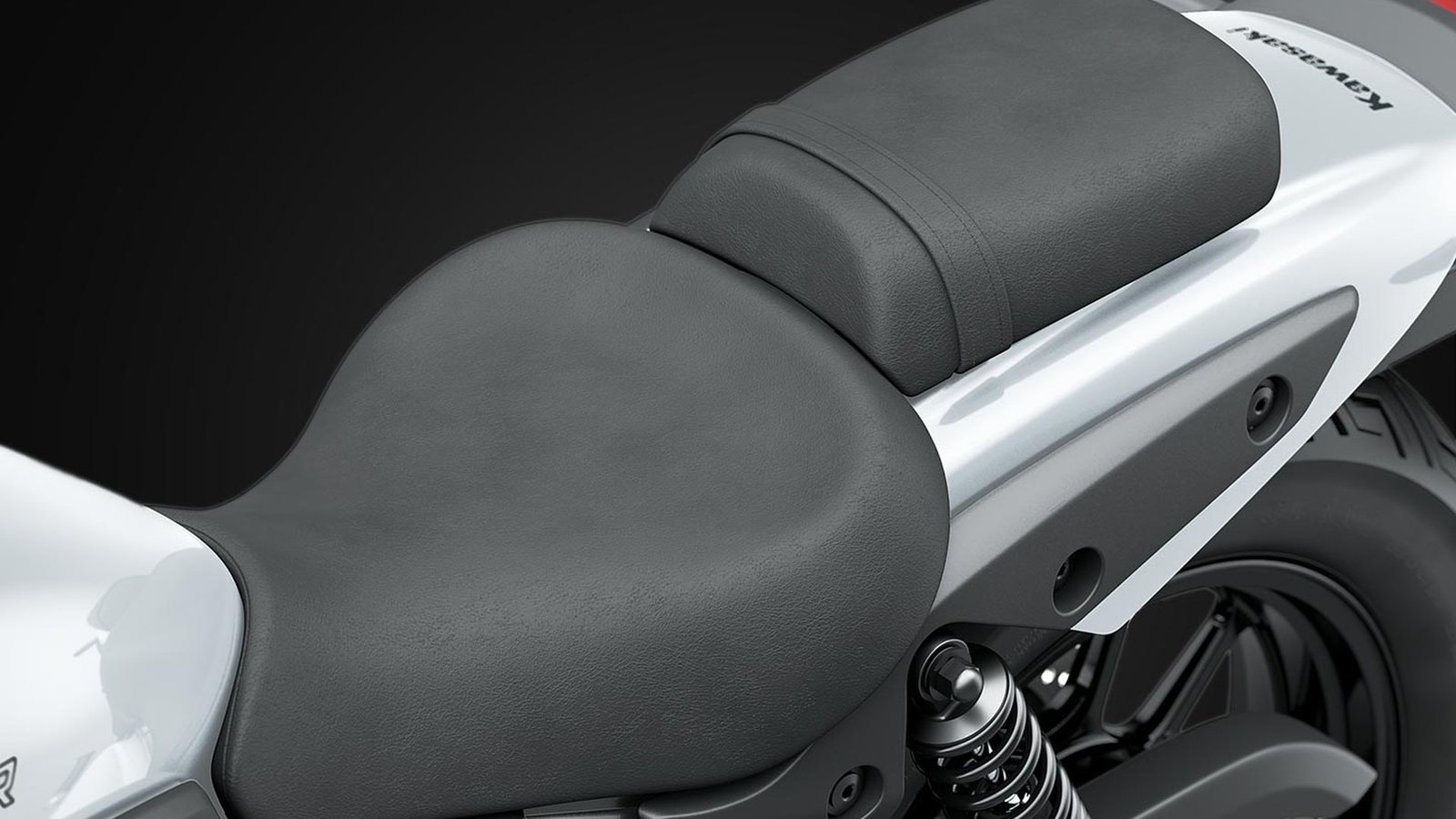
The SE trim adds a headlight cowl, fork boots, a USB-C outlet, and a two-pattern seat. It also includes exclusive color and graphics. Kawasaki lists the 2024 SE ABS at $7,249, and SE models come with ABS as standard.
The 2026 Eliminator comes in Urban City White and Metallic Flat Spark Black. It carries a 12 month limited warranty. The warranty and the colors should not drive your decision, but they are useful to know when you compare dealers.
How It Compares
The closest match in the data is the Kawasaki Z400. On the Cycle World dyno, the 2019 Z400 produced 44.08 hp at 9,830 rpm. The 2024 Eliminator SE made 47.22 hp at 10,430 rpm on the same dyno. Since the model years differ, treat these figures as a rough reference rather than a head-to-head result.
Cycle World’s automotive scales recorded the 2024 SE at 395 pounds. That figure is close to the listed ABS SE curb weight of 390.3 lb, so expect the bike to feel substantial at low speed. The 28.9-inch seat height is the number to weigh if you are short. If you want a smaller Kawasaki for comparison, our Kawasaki Ninja 500: Specs, Strengths, and Who It Suits covers that model.
Who It’s For (and Who Should Skip It)
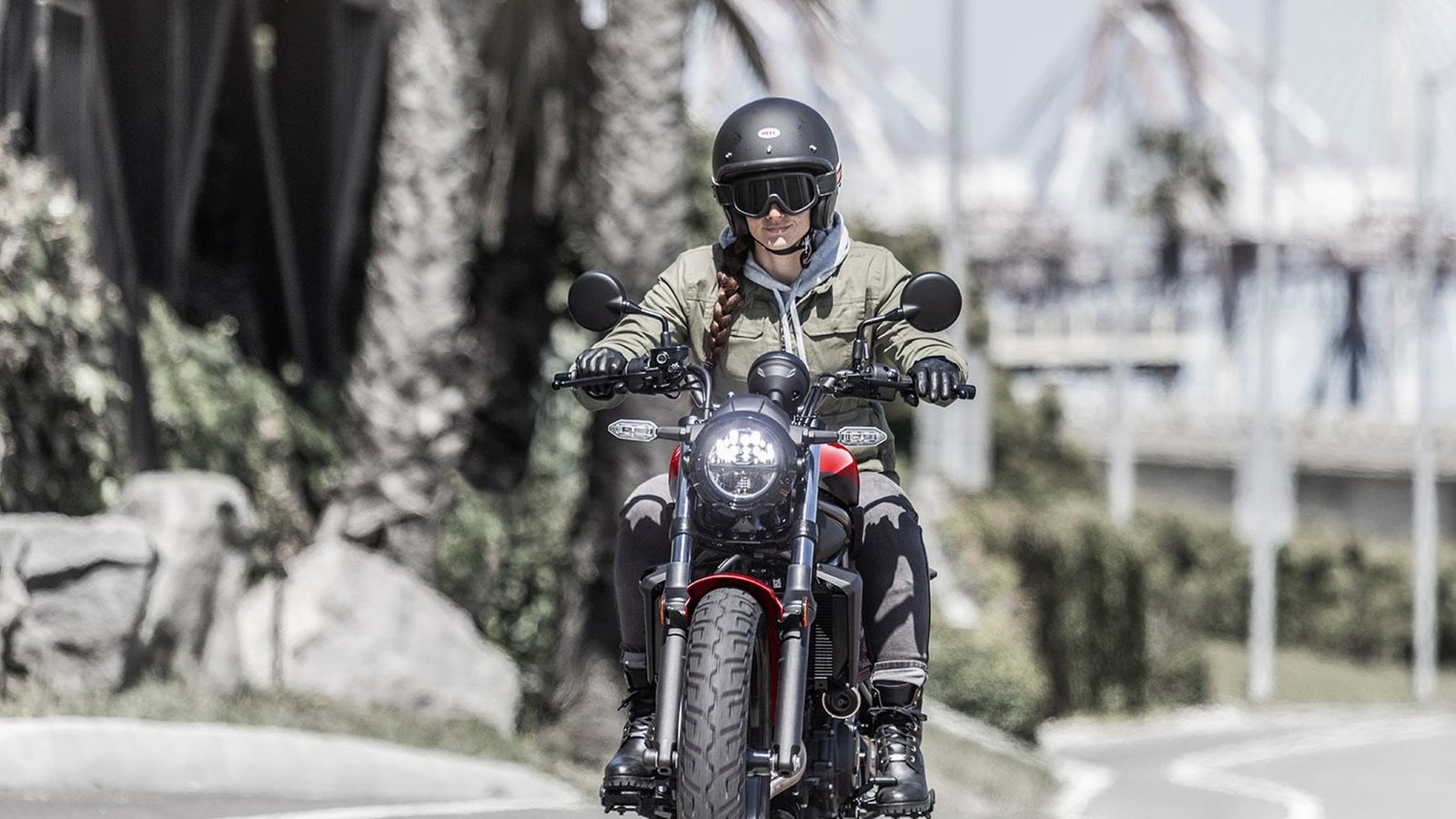
The Eliminator suits riders who want an easy bike to learn on. Kawasaki’s own description centers on approachability, a low seat, and light handling. A 28.9-inch seat and a 5.9 in ground clearance give you a predictable, low-stress setup for parking lots and city streets.
It is also a good fit for riders who want the ABS option. The ABS version gives you a safety system for a bike in this class. If you are comparing trims, the price difference between the base and ABS versions is the main decision point.
Skip the Eliminator if you need more suspension travel. The 4.7 in front and 3.1 in rear travel will feel limited on rough pavement. Also skip it if you want an adjustable front fork, because the front is nonadjustable.
Skip it too if you plan long rides without frequent fuel stops. The 3.4-gallon tank is small, and the bike weighs 388.1 lb with ABS. Riders who want a lighter bike for daily lane splitting or tight parking should compare the weight numbers before they commit.
Riders who care about the most power may also look elsewhere. The 47.22 hp figure is a dyno number for one 2024 SE, not a spec you can count on for every ride. Compare the bike in person before you decide.
FAQ
What engine does the Kawasaki Eliminator use?
The Kawasaki Eliminator uses a Ninja-based 451cc parallel-twin. It has 8 valves, four per cylinder, in a DOHC layout. The engine is fuel injected rather than carbureted.
How much does the Kawasaki Eliminator cost in the US?
Start with the 2026 Eliminator ABS, which has a standard MSRP of $6,799. The base model without ABS is listed at $6,649. The 2024 SE ABS was listed at $7,249.
Is the Kawasaki Eliminator good for beginners?
Kawasaki describes it as its most approachable motorcycle, with a low seat and light, easy handling. The seat height is 28.9 inches, which helps riders who want their feet down at stops. Choose the ABS version if you want the added braking safety net.
Does the Kawasaki Eliminator come with ABS?
ABS is available, and it is standard on the ABS and SE ABS versions. The base model does not include ABS. Confirm the trim before you buy, because the price changes with the version.
By the Numbers: Kawasaki Eliminator vs Similar Bikes
How the Kawasaki Eliminator stacks up on US price, claimed power and weight against other bikes of similar engine size that we have covered. Dollars per horsepower and pounds per horsepower are our own math from those figures; lower is better for both.
| Model | MSRP (US) | Power | Weight | $ per hp | lb per hp |
|---|---|---|---|---|---|
| Kawasaki Eliminator | $6,799 (2026) | 47.22 hp | 388 lb (176 kg) | $144 | 8.2 |
| Kawasaki Ninja 500 | $5,299 (2024) | 51 hp | 382 lb (173 kg) | $104 | 7.5 |
| Yamaha YZF-R3 | $5,499 (2026) | 36 hp | 373 lb (169 kg) | $153 | 10.4 |
Rival data: Kawasaki Ninja 500 (motorcycle.com), Kawasaki Ninja 500 (motorcycle.com), Kawasaki Ninja 500 (hawaii.kawasaki.com), Yamaha YZF-R3 (motorcycle.com), Yamaha YZF-R3 (magazine.cycleworld.com), Yamaha YZF-R3 (motorcycle.com).
Bottom Line
The Kawasaki Eliminator is an easy-to-handle cruiser with a 451cc parallel-twin, a low seat, and an ABS option. The 2026 ABS version lists at $6,799, and the base model lists at $6,649. It fits newer and shorter riders who want a manageable bike. Skip it if you need long-travel suspension, an adjustable fork, or a large fuel tank.
Sources
- Cruiser Bike | Cruiser Motorcycle | Kawasaki ELIMINATOR® 500
- 2026 Kawasaki Eliminator® | Cruiser Motorcycle
- Kawasaki Eliminator – Wikipedia
- 2026 Kawasaki Eliminator® ABS
- 2026 Kawasaki Eliminator® Base
- 2025 Kawasaki Eliminator® ABS
- 2024 Kawasaki Eliminator Review
- How Much Power Does the 2024 Kawasaki Eliminator SE Make?