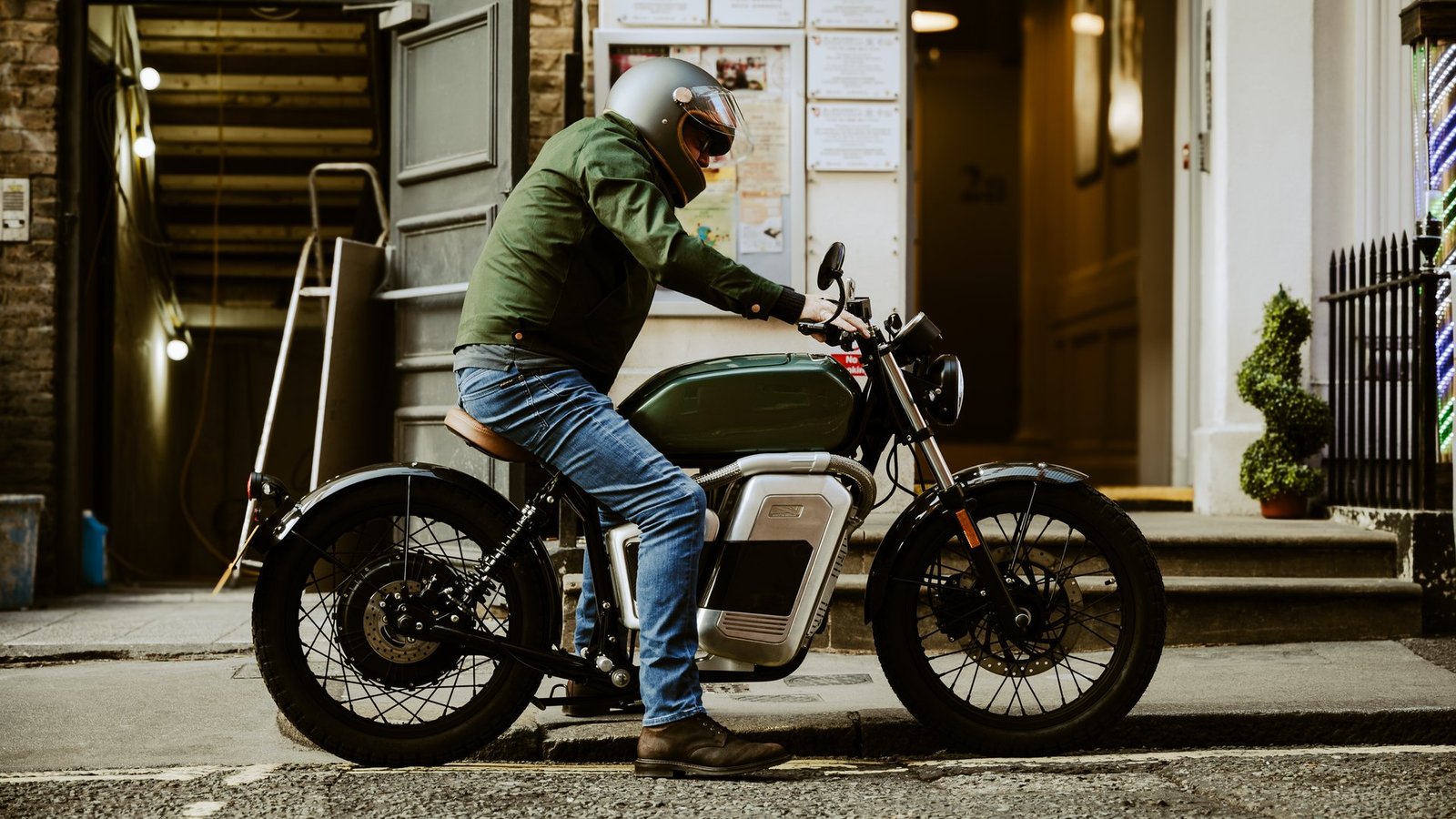
Electric motorcycle laws are set mostly by your state, not by the bike itself. Whether you need a motorcycle license, a permit, a helmet, or insurance depends on how your state classifies the vehicle and how old you are. Rules are similar across many states, but age and permit details can differ enough to change what you need before your first ride. Check your state’s DMV website before you ride on public roads.
Electric Motorcycle Laws Start With Classification
Before you look at licenses, you need to know which category your bike falls into. The NHTSA definition describes a motorcycle as a motor vehicle with motive power, a seat or saddle for the rider, and designed to travel on not more than three wheels in contact with the ground. Legal moped use also varies by state, so you must check the specifics on each state’s DMV website.
Speed limits on e-bike assist help show how much the category matters. New Jersey’s motorized bicycle category covers e-bikes whose power assist goes up to a maximum speed of 28 mph. Its low-speed electric bicycle category covers e-bikes whose assist goes up to 20 mph.
| Category (New Jersey) | Maximum assist speed |
|---|---|
| Motorized bicycle | 28 mph |
| Low-speed electric bicycle | 20 mph |
Do not assume an e-bike class covers a bike that is built for more than pedal assist. Check how your state defines the vehicle before you ride it on public roads.
What to Look For in Your State’s Rules
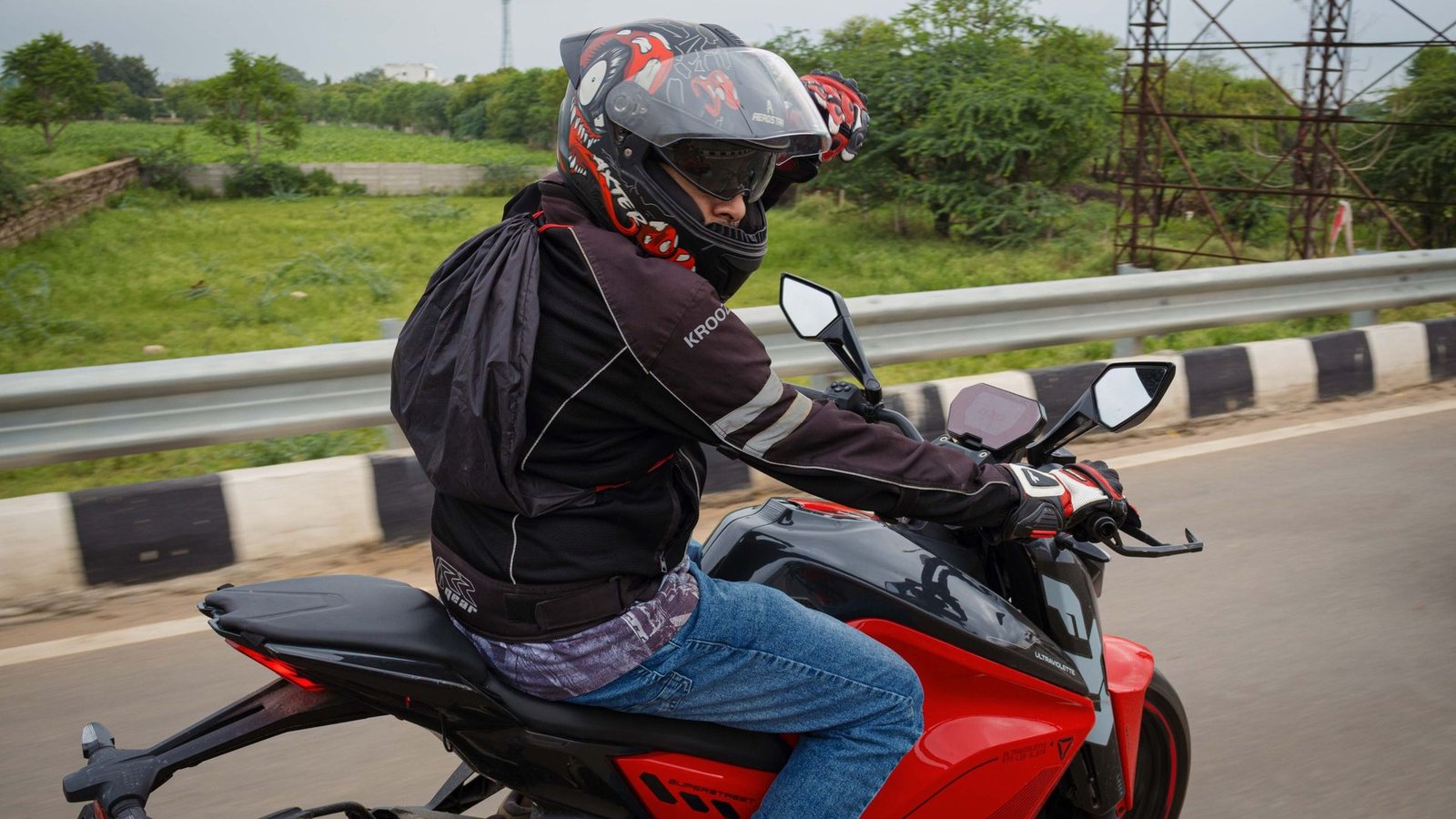
Start with your state’s licensing agency and its motorcycle and moped rules. In the United States, riders are generally required to pass written and practical on-cycle competency tests, but requirements vary widely among states and territories. Expect the paperwork and the test to differ from one place to the next.
New Jersey shows what a state can require for a motorized bicycle. The bike must be registered. It must also be covered by liability insurance, although the page does not state a minimum amount. The rider must wear a helmet.
Use that pattern as a checklist. Look for registration, insurance, and helmet rules in your state before you buy or ride. If the answer is unclear, ask the DMV directly rather than relying on a dealer’s summary.
Age and License Requirements
Minimum age is one of the biggest differences from state to state. The table below lists examples from the state rules we reviewed.
| State | Minimum age for a motorcycle license |
|---|---|
| Alabama | 16 |
| California | 16 |
| Florida | 16 |
| Idaho | 15 |
| Kentucky | 18, or 16 with parental consent |
| New Jersey | 17 |
| Ohio | 15 years and 6 months for a permit, 16 for a license |
Florida handles licensing differently. It offers a motorcycle-only license, which requires passing a safety course and the knowledge test required for a normal Class E driver’s license. If you want a motorcycle-only path, confirm the requirements with the state before you enroll.
Training can also change the timeline. Completing a Motorcycle Safety Foundation or similar certification can let you obtain a motorcycle operator’s permit at 15 or 16 instead of 18 or older. If you are a teen rider, that difference matters for planning your first season.
Permits, Tests, and Passenger Restrictions
Many states let a course replace part of the testing. About half of US states accept successful completion of a rider education course in place of the licensing examination. Alabama, for example, requires either an approved motorcycle safety course or a written knowledge exam before you apply for a motorcycle endorsement.
If you take a state riding test, expect it to check basics. The DMV riding test typically assesses starting, stopping, accelerating, braking, and following a prescribed path in a parking lot course. Practice those maneuvers before the test day rather than relying on the test to teach them.
Permit limits can be strict. In California, a full motorcycle license is available at age 16. The learner’s permit does not allow riding at night, with a passenger, or on the freeway.
Other states set different permit ages. Delaware’s learner’s permit age rule is 17 years old. In at least one state, a learner’s bike must have limited displacement, such as under 150cc, for a certain period before you can move to bigger engines.
Newly permitted riders may also face temporary restrictions, including a ban on carrying a passenger. Read the permit terms before you invite anyone along.
Budget Ranges
Your budget affects which bike you buy, and that bike affects your registration, insurance, and license path. Pricing also changes over time, so check the current MSRP before you commit.
The 2026 Zero XB had an introductory price of $4,395 valid until November 30, 2025. After November 30, 2025, the price rises to $5,095. If the introductory offer has expired, use the higher number for planning.
Higher up the range, the 2025 LiveWire S2 Alpinista starts at $15,999 in U.S. pricing. The standard Varg EX reviewed in 2025 has an MSRP of $12,900. Stark’s optional Pro subscription costs $15 per month, so include it in your running costs.
| Model (model year) | Price | Source fact |
|---|---|---|
| Zero XB (2026) | $4,395 intro until November 30, 2025; $5,095 after | |
| LiveWire S2 Alpinista (2025) | Starts at $15,999 | |
| Stark Varg EX standard (2025 review) | MSRP $12,900 |
For a broader price comparison, see our guide to best motorcycles for tighter budgets.
Recommended Models
If you are a new rider, age and warranty terms matter as much as performance. Zero recommends a minimum rider age of 16 for the 2026 XE Base. The battery warranty is 12 months, and the limited warranty is 6 months. Read those terms before you sign.
Range is the other number to compare. The 2025 LiveWire ONE Base has a listed maximum range of 146 miles (235 km). The Zero SR/F has a claimed combined city and highway range of 117 miles. Those are manufacturer figures, so plan your rides with a margin.
The Stark Varg EX is described as comparable to dual sport models from KTM or Beta. If you plan to ride off pavement, compare it with those bikes on the spec sheet and the rules in your state.
| Model | Model year | Key facts |
|---|---|---|
| Zero XE Base | 2026 | Minimum rider age 16; battery warranty 12 months; limited warranty 6 months |
| LiveWire ONE Base | 2025 | Maximum range 146 miles (235 km) |
| Zero SR/F | Not stated | Combined city and highway range 117 miles |
If you want a gas-powered option to compare against, read Yamaha MT-07 First Bike? Who It Suits and What to Know.
Mistakes to Avoid
The first mistake is assuming your home-state rules apply everywhere you ride. Legal moped use varies by state, so check each state’s DMV website. A bike that is legal in one place may need a different license or permit in another.
The second mistake is misreading age rules for e-bike categories. New Jersey bars anyone under 15 from riding either e-bike category, requires a permit for riders aged 15 or 16, and requires a regular driver’s license for riders 17 or older. Confirm which category your bike falls into before you let a younger rider use it.
The third mistake is ignoring the assist ceiling. A motorized bicycle in New Jersey covers power assist up to a maximum speed of 28 mph. Bikes that go beyond that range may not fit that category.
The fourth mistake is carrying a passenger on a permit. Newly permitted riders may face a ban on passengers. California’s learner’s permit also bars night riding and freeway use.
Keep Reading on Gear & Road
- Electric Motorcycle Companies Worth Knowing in 2026
- Electric Dirt Bike Cost: 2025 Price Ranges Explained
- Best Electric Dirt Bikes 2026: Top Picks Compared
- Electric Dirt Bikes for Adults: Price Ranges Explained
FAQ
Do I need a motorcycle license to ride an electric motorcycle?
In most cases, yes, and the answer depends on your state. Riders are generally required to pass written and practical on-cycle competency tests, though requirements vary widely. Check your state’s DMV rules before you ride.
Is an e-bike with a 20 mph or 28 mph assist class legal without a motorcycle license?
Not as a general rule. In New Jersey, the 28 mph motorized bicycle category and the 20 mph low-speed category both have age rules, and riders 17 or older must have a regular driver’s license. Check your own state’s categories.
What is the minimum age to ride an electric motorcycle on public roads?
It depends on your state and your license type. Examples include 16 in Alabama, 15 in Idaho, and 18, or 16 with parental consent, in Kentucky.
Can I carry a passenger on an electric motorcycle with a learner’s permit?
Usually not. Newly permitted riders may face a ban on carrying passengers. In California, the learner’s permit does not allow riding with a passenger.
Bottom Line
Electric motorcycle laws depend on how your state classifies the vehicle, how old you are, and what kind of permit or license you hold. Start with the DMV, confirm the category, and check registration, insurance, and helmet rules before you buy. Then match your permit terms to the way you plan to ride.
Sources
- 2026 Zero XB and XE Review – First Ride
- 2025 LiveWire S2 Alpinista – First Look
- 2025 LiveWire ONE® Base
- 2025 Zero SR/F
- 2025 Stark Varg EX Review
- Will stricter laws on electric bicycles hurt or help motorcycling?
- State Motorcycle License Requirements – RevZilla
- Legal definition of motorcycle – Wikipedia
- What’s Required to Get a Motorcycle License?
- 2026 Zero XE Base