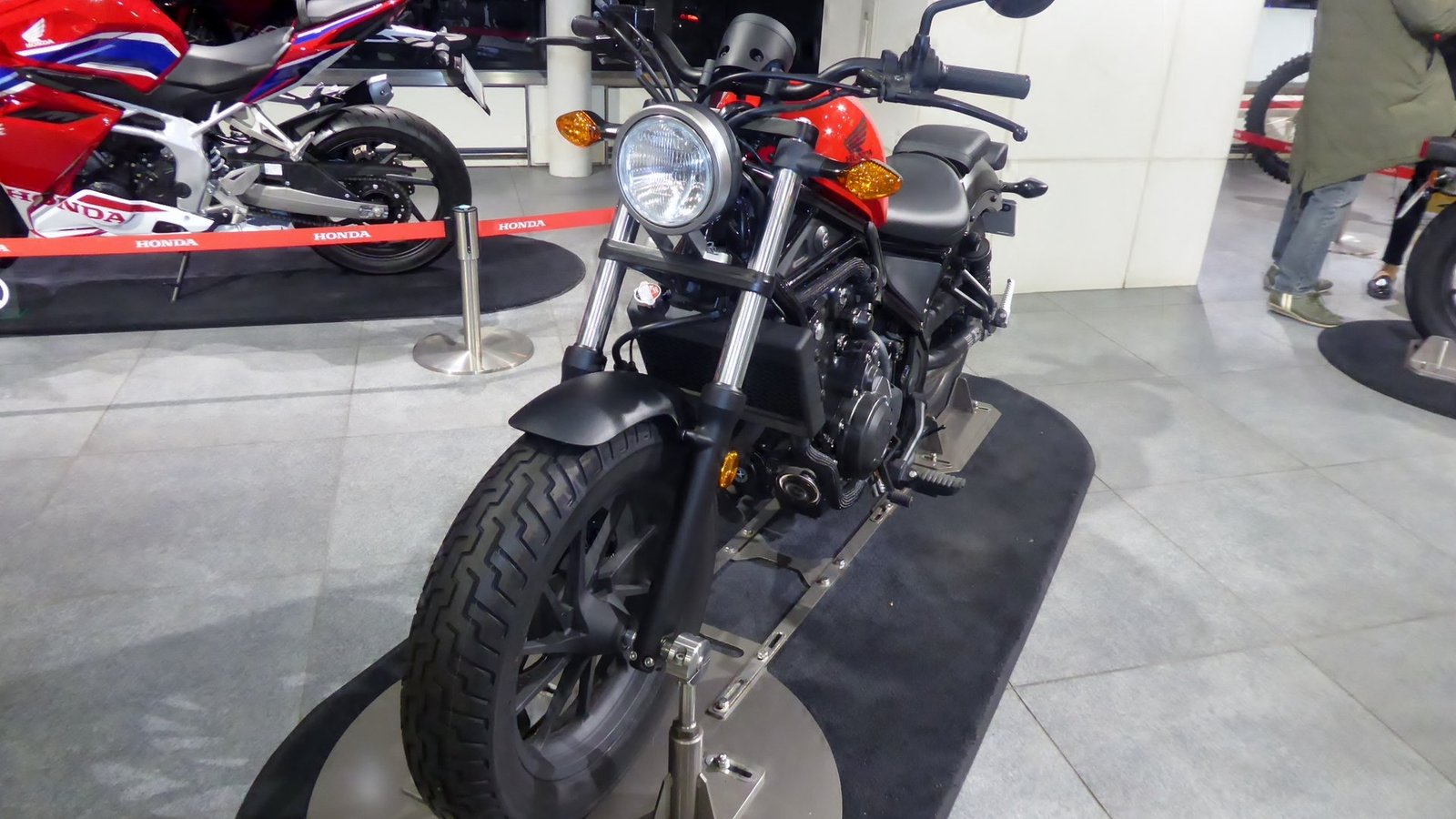
The 2018 Honda Rebel 500 is a compact cruiser built around a 471 cc (28.7 cubic inches) parallel twin. For most beginners and returning riders, it makes a sensible new-to-you or used purchase, as long as the bike is well kept and you check the items covered below. Experienced riders will find it works best as an easy town and back-road bike rather than a high-speed tourer. The sections that follow cover the engine, chassis, features, trims, and who should skip it.
2018 Honda Rebel 500 Overview
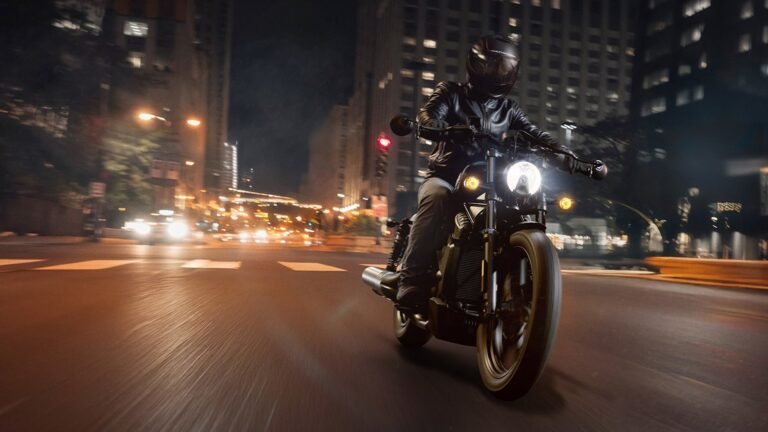
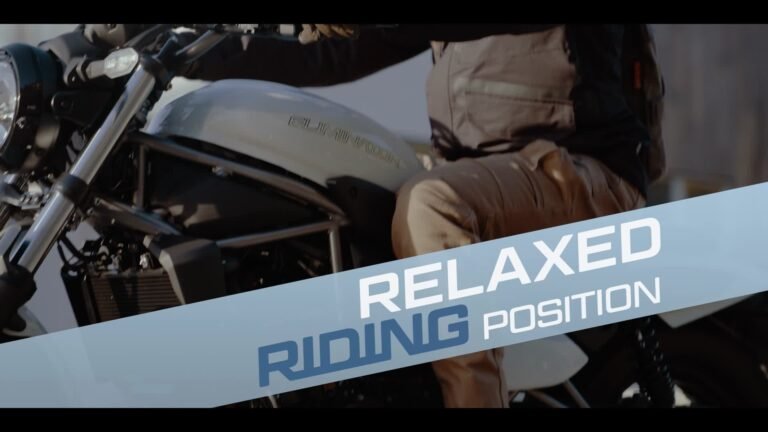
Honda designed the Rebel to be accessible, fun to ride, and easy to live with, suited to day trips and sporty sessions on winding roads. It is aimed at new riders, riders stepping up from smaller bikes, and experienced riders who want an affordable machine for getting around town. Honda describes it as a bike for riders who want the thrills of a small cruiser.
The Rebel 500 is sold as a standard, ABS, and ABS SE version. The 2018 model year included an ABS version, so you can look for that trim specifically. Honda’s stated goal was a straightforward, practical motorcycle that owners could adapt to their own use.
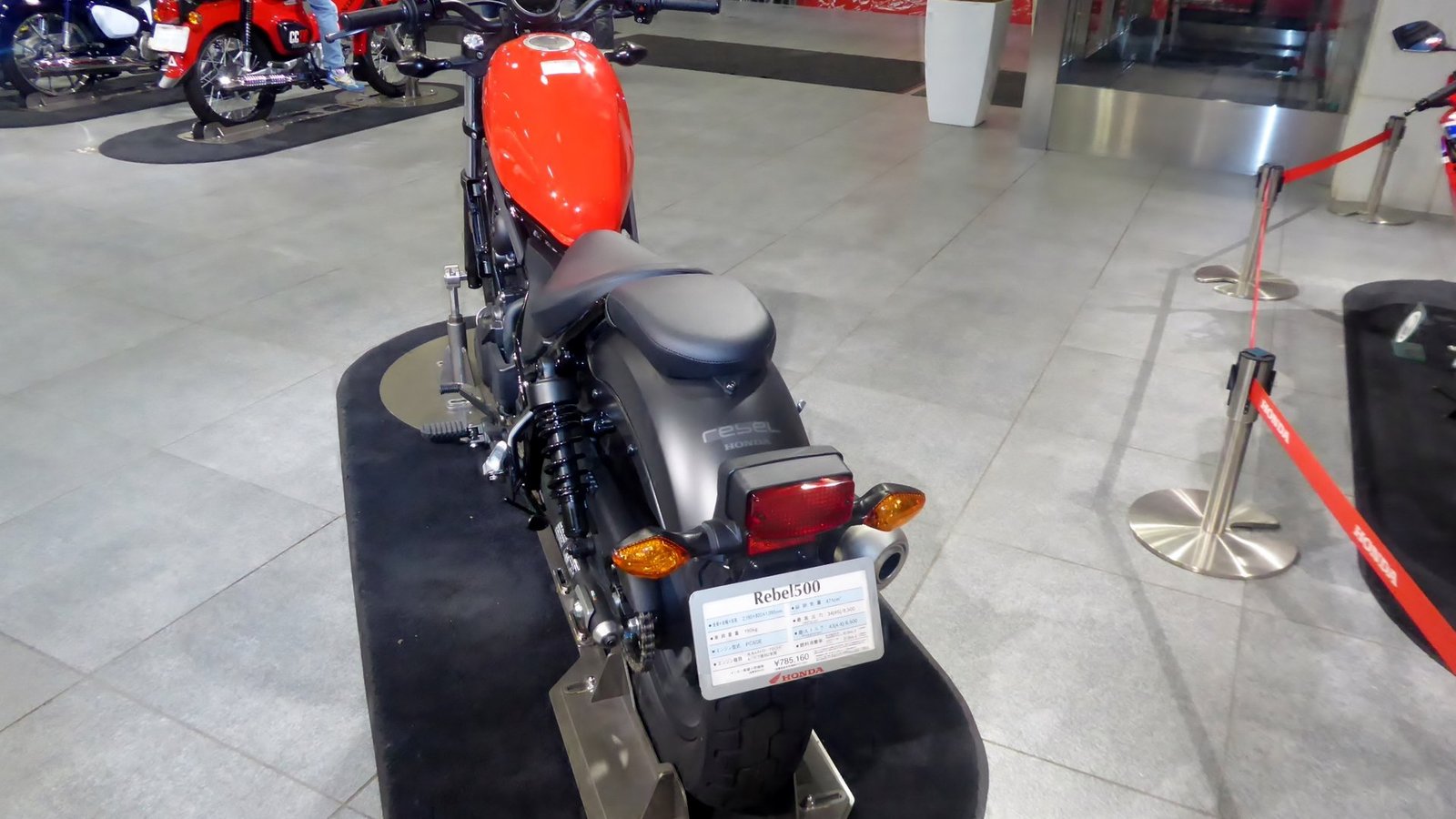
Engine & Performance of the 2018 Honda Rebel 500
The engine is a liquid-cooled, four-stroke, DOHC parallel twin with eight valves. Claimed output is 34 kW (46 hp) at 8,500 rpm. Peak torque is 43.2 N⋅m (32 lb⋅ft) at 6,000 rpm.
That torque peak arrives well below the power peak. In practice, you will spend most of your riding in the middle of the rev range, not chasing the top end. The power figure is modest, which suits a bike built for town and short trips.
Fuel injection means there is no carburetor to clean or re-jet. That matters when you are looking at an older bike, because a carbureted machine often needs more attention. The six-speed manual transmission sends power to the rear wheel through a chain.
A chain needs regular adjustment and lubrication, so plan for that routine from day one. The deep oil sump holds 3.2 liters, so check the level and change the oil on schedule.
The Rebel 300 runs a 286 cc single. Honda says the Rebel 500 delivers significantly more power than that smaller bike. If you are moving up from a 300, that gap will be noticeable on highway on-ramps and passes.
Chassis & Ergonomics
The seat is listed at 27.2 inches, the same height as the Rebel 300. Another listing gives 27 in (690 mm). Measure the seat with your own feet on the ground before you buy.
Seat height is only part of the story. The wet weight is 408 lb (185 kg), and the ABS model lists a claimed curb weight of 414 pounds. Lighter bikes are easier to walk and to balance at stops, so that number matters when you are learning.
The tubular-steel frame holds the engine at three points and is narrowed around the rider’s inseam. The wheelbase is 58.7 in, and ground clearance is 5.4 in (137.2 mm).
| Component | Listed spec | What it means for you |
|---|---|---|
| Front fork | 41mm telescopic fork, 5.5 in of travel | The 2018 ABS fork has no adjustable preload or rebound damping |
| Rear suspension | Twin-sided swing arm with twin shocks, 3.7 in of travel | Two-step preload adjusters; no rebound adjustment |
| Brakes | Single hydraulic discs, 296mm front and 240mm rear | ABS is available on both trims |
| Wheels and tires | 16-inch cast-aluminum wheels, Dunlop 130/90-16 front and 150/80-16 rear | Tire condition is a quick check on any used bike |
The fork stanchions are 41mm and set 9.1 inches apart. Honda’s later listings show rear travel of 3.8 in (96.5 mm) for the 2022 model, so confirm the figures for the exact year you are considering.
If you want to tune suspension for your weight, this bike will frustrate you. The front fork cannot be adjusted on the 2018 ABS. For a rider who wants a simple, set-and-ride machine, that is less of a drawback.
Features
The headlight is a round unit set high in a die-cast aluminum mount. The bike uses LED headlight, turn signals, and taillight. The speedometer is a compact dial with a negative LCD display and blue backlight.
The iconic peanut-shaped fuel tank holds 3.0 gallons. The 2018 ABS lists a capacity of 3 US gallons (11.2 liters). Range will depend on your riding style, so plan fuel stops on longer runs.
The rear fender and subframe are removable, so you can change the look and return the bike to stock later. In stock trim, the bike comes with only a solo saddle. Passenger footpegs are an accessory, not standard equipment.
Honda offers a main seat, headlight cowl, meter visor, fork cover, and saddlebag as official accessories. The wider accessory range includes a Passenger Seat and Foot Pegs Kit, Rear Carrier, and Synthetic Leather Saddlebags. Budget for these if you plan to carry a passenger or gear.
Price & Trims
The bike is offered in standard, ABS, and ABS SE versions. The SE name marks the ABS-equipped trim. ABS costs a little extra, so the ABS version lists higher than the base model.
The 2020 Rebel 500 ABS had a US price of $6,499. The 2025 Rebel 500 ABS SE has an MSRP of $6,999. The Rebel 500 costs $1600 more than the Rebel 300.
For 2020, colors were Matte Armored Silver, Graphite Black, and Matte Blue Jeans Metallic. For help choosing between trims, read Honda Rebel 500 vs SE: Which Should You Buy?
Honda lists a 12-month limited warranty on the ABS model. A bike from 2018 has likely moved past that coverage, so the pre-purchase inspection carries more weight.
How the 2018 Honda Rebel 500 Compares
The table uses the listed prices and weights for each bike.
| Model | Listed price | Listed weight |
|---|---|---|
| 2018 Honda Rebel 500 ABS (2020 ABS price) | $6,499 | 408 lb (185 kg) |
| Honda Rebel 300 (2020 ABS price) | $4,799 | 364 lb, non-ABS |
| Suzuki Boulevard S40 | $5,799 | 381 lb |
| Yamaha V Star 250 | $4,349 | 326 lb, claimed |
| Kawasaki Vulcan S | $7,099 base | |
| Harley-Davidson Street 500 | $6,899 |
The Rebel 500 weighs 408 pounds in claimed curb weight, while the Rebel 300 is the lightest in its range at 364 pounds. The Rebel 300 is the smaller bike, with a 286 cc single. The Rebel 500 is its bigger sibling.
Among the other bikes in the table, the Yamaha V Star 250 is the lowest-priced and the lightest by claimed weight. The Vulcan S sits at the top of the list on price. Compare the prices and the weight figures side by side, then decide which trade-off matters more.
If you are also weighing Honda’s CB500F, read Honda CB500F Specs, Price & Who It’s For. If you are buying for a younger rider, compare costs with How Much Does the Honda Grom Cost? 2025 Prices first.
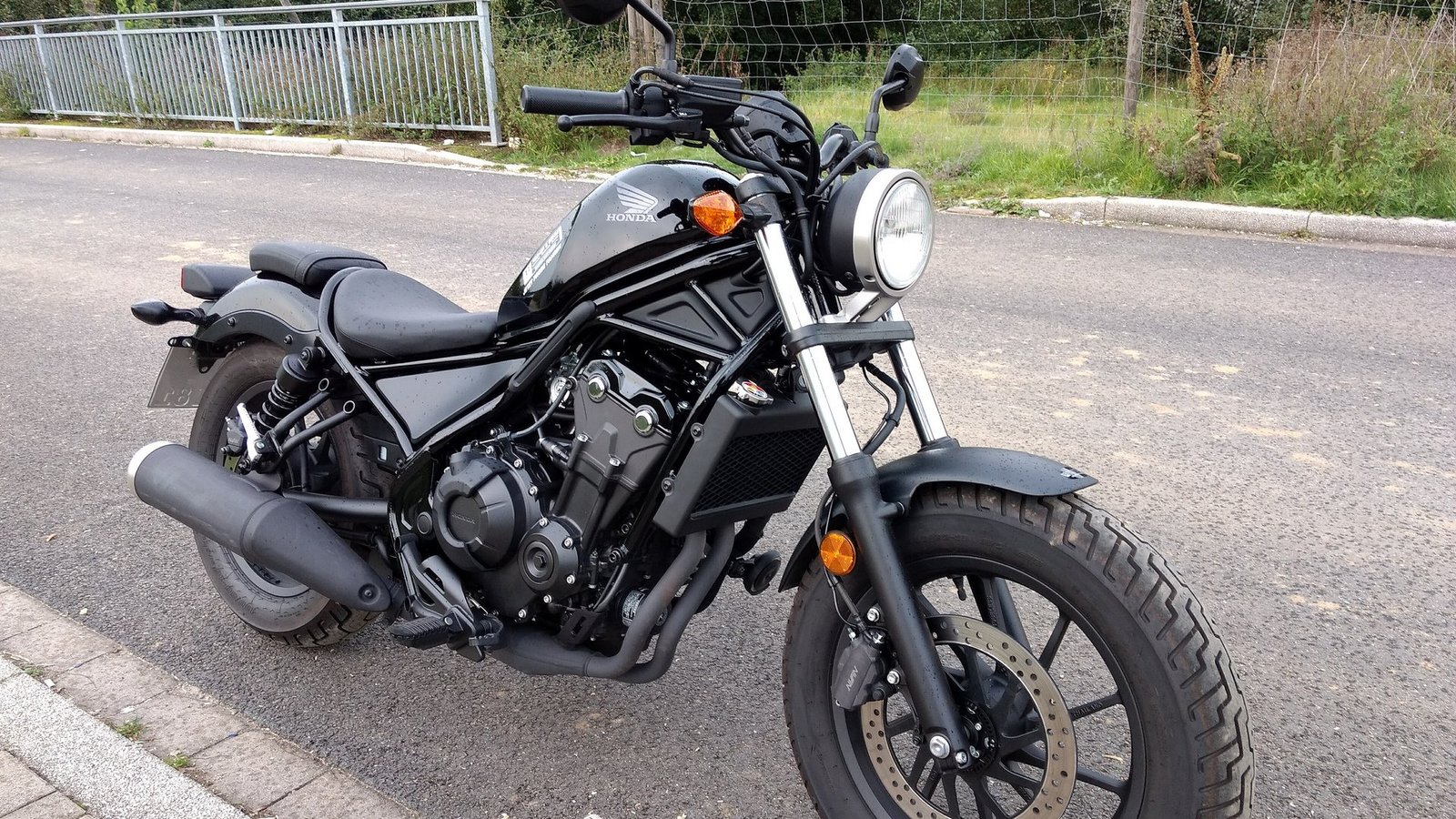
Who the 2018 Honda Rebel 500 Is For (and Who Should Skip It)
New riders are the core audience for this bike. Honda says the Rebel is aimed especially at younger riders, along with older riders and former riders returning to the sport. The 27.2-inch seat keeps your feet reachable at stops for many shorter riders.
Riders stepping up from a smaller bike also fit the profile. The jump from a 286 cc single to this twin is significant. Ride the bike before you commit, especially if the 408 lb (185 kg) weight feels heavy when you walk it.
Skip this bike if you want adjustable suspension, since the 2018 ABS front fork has no adjustments. Skip it if you carry a passenger often, because the stock seat is solo. Honda positions the Rebel for day trips and winding roads, not long-distance touring.
Experienced riders who want a light, simple bike for around town will likely find it satisfying. If you want more power or more suspension adjustment, look at other models in the comparison above.
FAQ
Is the 2018 Honda Rebel 500 good for a beginner?
For many beginners, yes. Honda aims the bike at new riders. The seat height of 27.2 inches and the wet weight of 408 lb (185 kg) are manageable for many riders who are learning. The 46 hp output is moderate, so the bike is less likely to overwhelm a new rider than a larger twin.
Does the 2018 Honda Rebel 500 have ABS?
Yes. A 2018 Rebel 500 ABS is listed as its own version. ABS is available on both trims in the range. ABS costs a little extra, so check the bike’s paperwork or equipment before you pay.
What should I check on a used 2018 Honda Rebel 500?
- Trim: Confirm whether it has ABS, since the price difference is real.
- Chain: Look at adjustment, wear, and lubrication, because the final drive is a chain.
- Oil: Check the level and condition. The sump holds 3.2 liters.
- Clutch: The assist-slipper clutch came in for 2020 and cuts lever effort by 30%. A 2018 bike predates that change, so expect a heavier pull.
- Tires: Check the condition and age of the Dunlop 130/90-16 front and 150/80-16 rear tires.
- Fork and shocks: Inspect for leaks and wear, since the 2018 ABS fork has no adjustments.
- Seat and accessories: Confirm the seat condition and whether any accessories came with the bike.
Bottom Line
For a beginner or a returning rider, this bike is a practical, easy-to-live-with choice. It offers a 471 cc parallel twin, a chain drive, and a simple, adaptable design. Experienced riders who want a light, simple town bike will find it satisfying. Check the chain, the tires, and whether the ABS version fits your budget before you buy.
Sources
- 2018 Honda Rebel® 500 ABS
- 2018 Honda Rebel® 500
- 2018 Honda Rebel Features & Benefits
- 2023 Honda Rebel® 500 ABS SE
- 2022 Honda Rebel® 500
- 2025 Honda Rebel® 500 ABS SE
- 2025 Honda Rebel 500 Features & Benefits
- Styling, comfort and performance enhancements to Rebel 500 and Rebel 300 for 2020
- Honda CMX500 Rebel – Wikipedia
- World Debut Of 2017 Honda Rebel 500 And Rebel 300