If you are looking at a used Kawasaki Ninja 400, check the model year, the ABS, and how the clutch and neutral feel before you pay. Riders and reviewers report a few recurring points: hard shifting into neutral, a soft brake feel, a fork that dives under hard braking, and stock tires one rider called marginal. This guide covers each one, then the service costs, a buying checklist, and who should skip the bike.
Used Kawasaki Ninja 400 Overview
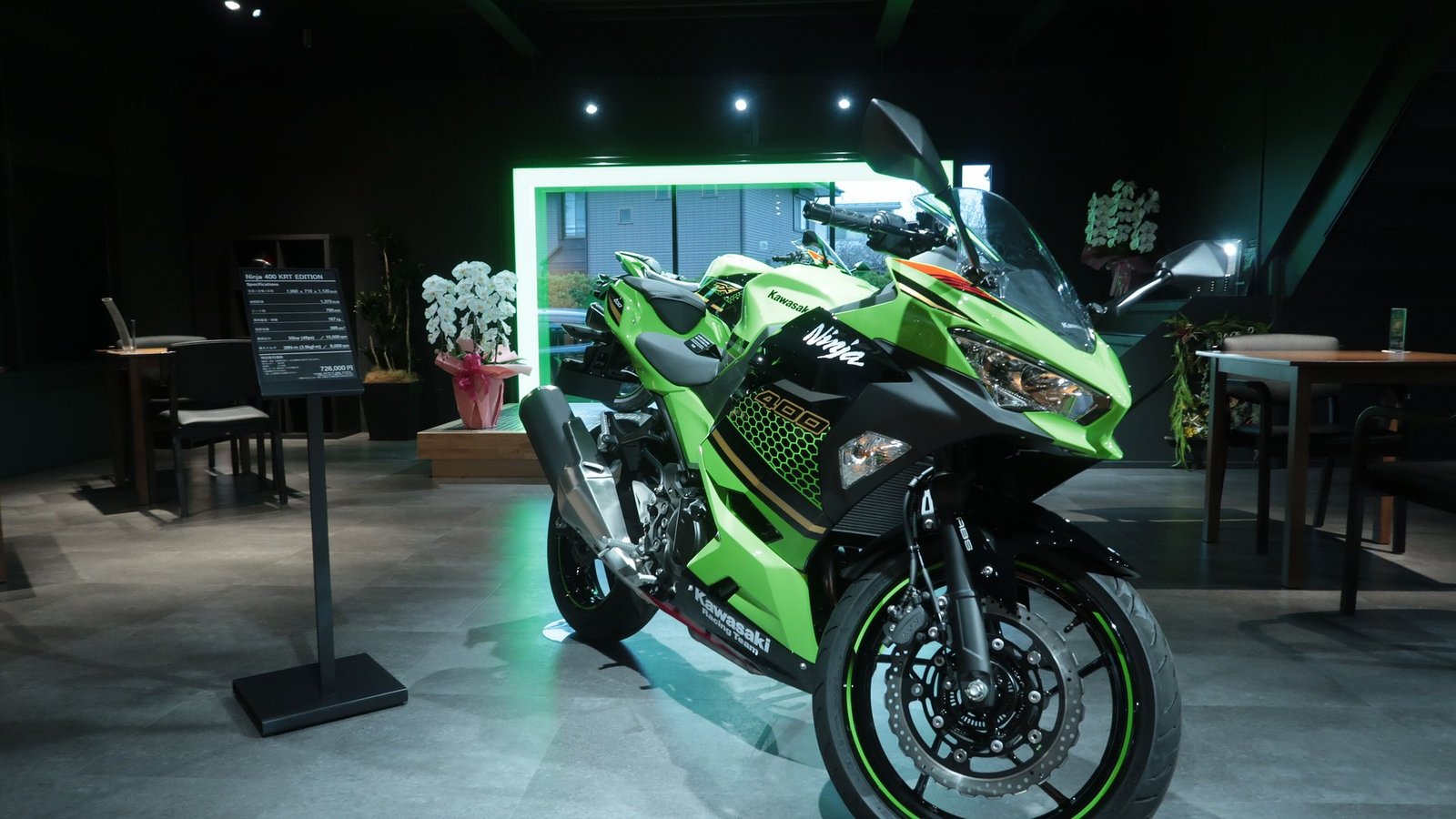
Kawasaki launched the Ninja 400 in the US on December 1, 2017, and it is listed as a 2018 model. It replaced the Ninja 300 because that bike was struggling to meet Euro 4 emission standards. Kawasaki made the engine Euro 5 compliant in the 2022 update and added new colors. For the 2024 model year, the Ninja 400 was replaced in the US by the Ninja 500 and Z500, so 2023 is the last US model year under this name.
The table below covers the specs that matter most when you inspect a used bike.
| Spec | Kawasaki Ninja 400 |
|---|---|
| Engine | 399 cc liquid-cooled parallel twin, DOHC, 8 valves (4 per cylinder) |
| Frame | Steel trellis frame, with the engine as a stressed member |
| Wet weight | 370 lb (168 kg) |
| Claimed power | 44.8–49 hp (33.4–36.5 kW) at 10,000 rpm |
| Measured rear-wheel power | 43.3 hp (32.3 kW) at 9,900 rpm |
| Fuel system | Fuel injected |
| Fuel tank | 3.7 US gal (14 L) |
| Claimed range | 210 miles (340 km) |
| Seat height | 30.9 in (785 mm) |
| Front fork | 41 mm non-adjustable telescopic, 4.72 in travel |
| Rear shock | Gas monoshock, 5-way preload, 5.1 in travel |
| Front brake | Dual-piston caliper, 12.2 in (310 mm) disc |
| Rear brake | Single-piston caliper, 8.7 in (220 mm) disc |
The 30.9 in (785 mm) seat sits 30 mm lower than the Ninja 300’s seat. That lower height improves stand-over, which helps shorter riders and beginners at stops.
Published weights differ. A reviewer weighed a 2018 ABS bike at 366 lb with 3.7 gal of fuel, and another measured figure is 374 lb. A rider who moved up from a Ninja 300 said the 400 makes 10 more hp and weighs 17 lb less.
ABS cost $300 more than the non-ABS model in 2018. The bike also has a slipper clutch and LED headlights and taillights. Confirm which of these features the bike you are considering actually has.
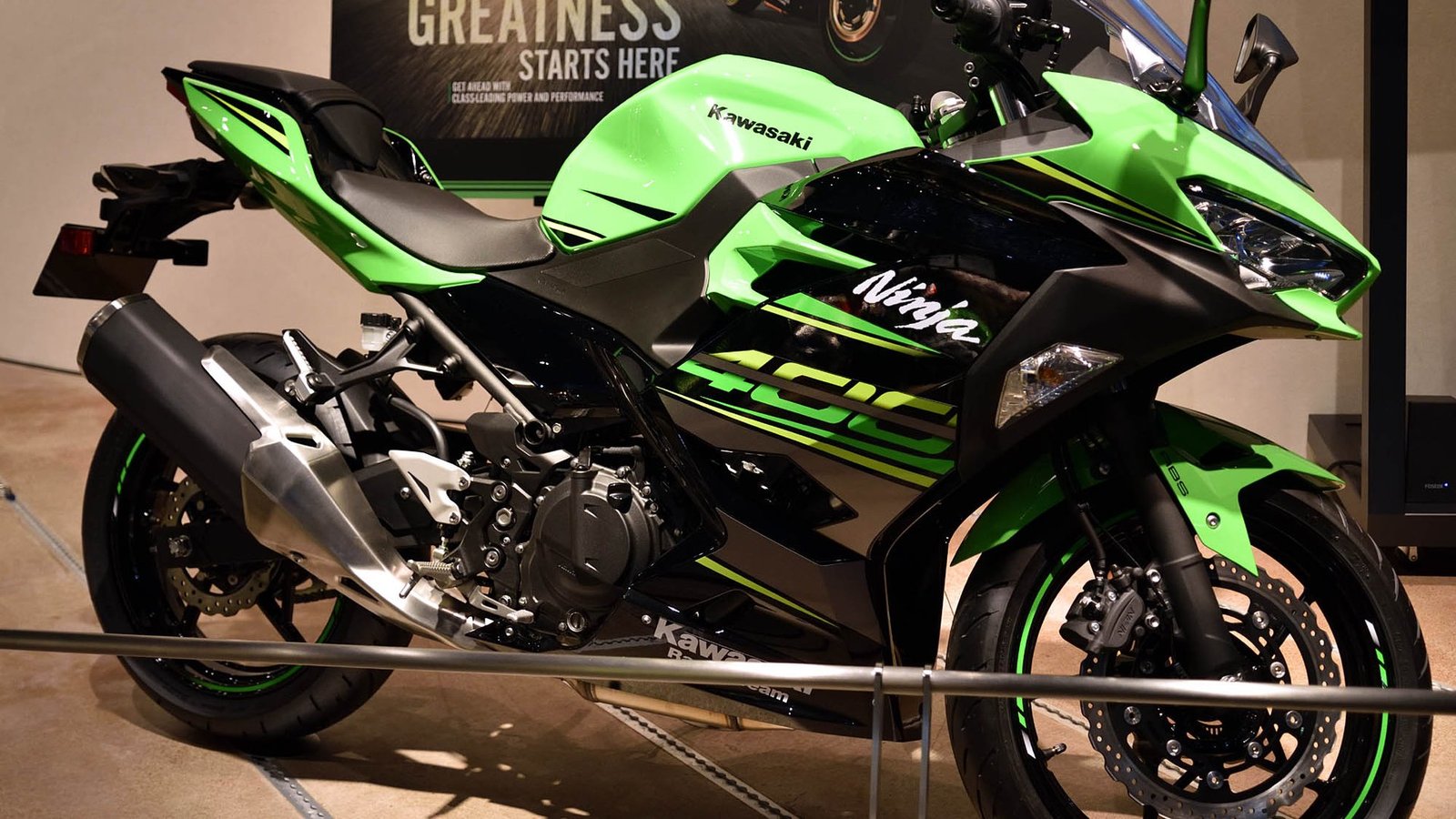
Common Issues Reported on the Used Kawasaki Ninja 400
Neutral selection is the first thing to test. One 2018 owner found that shifting into neutral from second gear was very hard. Editors advised adjusting the clutch cable as far out as possible before the clutch plates begin to engage. Ask the seller about the cable setting, then try neutral at a stop before you buy.
Brakes are the next area to check. Reviewers said braking power was adequate but felt spongy, with a soft initial bite. A rider who upgraded from a Ninja 300 found the stock setup too weak and planned steel lines and better pads. If the lever feels soft on your test ride, plan for brake work.
Front and rear ABS were reported as adequate.
The fork is a common complaint in reviews. A reviewer found it dives quite a bit under trail braking, and hard-edge bumps send a stinging hit to the palms. Another rider said the stock suspension beats the Ninja 300’s stock suspension but trails an aftermarket kit fitted to the 300.
Tires are another early upgrade. A rider said the stock tires are marginal and would be replaced first. Reviewers also said taller riders want more seat room, and that the gauges are hard to see in bright sunlight.
One reviewer wrote that the bike had not changed in five years. That conflicts with the 2022 Euro 5 engine update, so confirm the year and engine on the paperwork. On the plus side, the slipper function keeps the rear tire from hopping during aggressive downshifts.
Used Kawasaki Ninja 400 Maintenance Costs and Intervals
The dealer schedule starts with a first service at 600 miles, estimated at about $160. The next dealer service is due at 7,500 miles, estimated at about $450. The first major service, with a valve check, comes at 15,200 miles and was estimated at about $950 including parts and labor.
| Service | Due at | Estimated cost |
|---|---|---|
| First dealer service | 600 miles | About $160 |
| Next dealer service | 7,500 miles | About $450 |
| First major service with valve check | 15,200 miles | About $950 incl. parts and labor |
The valve check is the expensive one, so plan for it when you buy. Ask the seller for records showing which of these services were done and when. A mechanically inclined owner can cut dealer maintenance costs roughly in half by doing their own oil changes and safety checks.
Shifter setup is a separate job. The shift linkage arm can be flipped 180 degrees to switch from standard to GP-style shifting, which takes about five minutes. That is a setup change, not a service item, so it does not appear in the schedule above.
Used Buying Checklist for the Kawasaki Ninja 400
- Model year and engine. The 2022 update made the engine Euro 5 compliant and added new colors. A 2021 ABS listing confirms that model year had ABS, and the bike is fuel injected.
- ABS and slipper clutch. ABS is available, and the bike comes with a slipper clutch. ABS on the front and rear was reported as adequate.
- Neutral. Check shifting from second gear into neutral, and ask about the clutch cable setting.
- Fuel tank. The tank holds 3.7 US gal (14 L), so budget fuel stops around that capacity.
- Tires. 2023 bikes came with Dunlop GPR-300 tires, 110/70R17 front and 150/60R17 rear. 2018 bikes came with Dunlop Sportmax GPR300 tires in the same sizes. Since a rider called the stock tires marginal, check their condition and plan to replace them. For track use, Common Tread recommends Dunlop Q3 Plus tires.
- Suspension and brake specs. Sources list different figures. The front fork travel is 4.72 in or 4.7 in. The rear travel is 5.1 in or 5.5 in. The rear disc is 220 mm or 210 mm. Measure the bike yourself before you trust any single figure.
- Modifications. Editors fitted an Arrow slip-on exhaust and removed the rear passenger pegs, which required an R&G Exhaust hanger. Shogun frame sliders are a no-cut kit, but installing them requires removing bodywork. Common Tread fitted an Öhlins suspension setup as a track modification. A rider planned a Power Commander and full exhaust, although the bike does not need them. Ask whether any changes were made and whether the work was done properly.
- Shifter. If the bike has GP-style shifting, the shift arm can be flipped 180 degrees to go back to standard.
Is the Used Kawasaki Ninja 400 Right for You?
The bike suits riders who want a light, quick machine. Reviewers praised its incredibly lightweight handling and class-leading horsepower, and said it kept the same MSRP as the previous model despite updates. The torque curve is flat, with 20 lb-ft available just under 4,500 rpm, and one review measured 44 hp at 10,000 rpm. Aftermarket support is broad, which helps if you plan upgrades.
Fit is the biggest question. An editor who is 6 ft 2 in or taller said he would like a taller seat, especially for track use, but still feels comfortable on the bike. A rider who is 5 ft 11.5 in with a 31 in inseam did not fit the bike at a dealership and said it suits a 5.5 ft person or smaller. A smaller Common Tread staffer fit the bike fine and had no complaints during multi-day riding, though he noted that comfort varies by rider.
The reviewer’s phrase “My First Sport Bike” fits the bike’s upright, elbows-in riding position. The seat is 30.9 in (785 mm) tall, and that height was kept the same from the earlier bike. Skip this bike if you are tall, since the fit reports above point the other way. Also skip it if you want adjustable suspension out of the box.
The front fork is non-adjustable, and the 2021 ABS front fork has no adjustable preload or rebound.
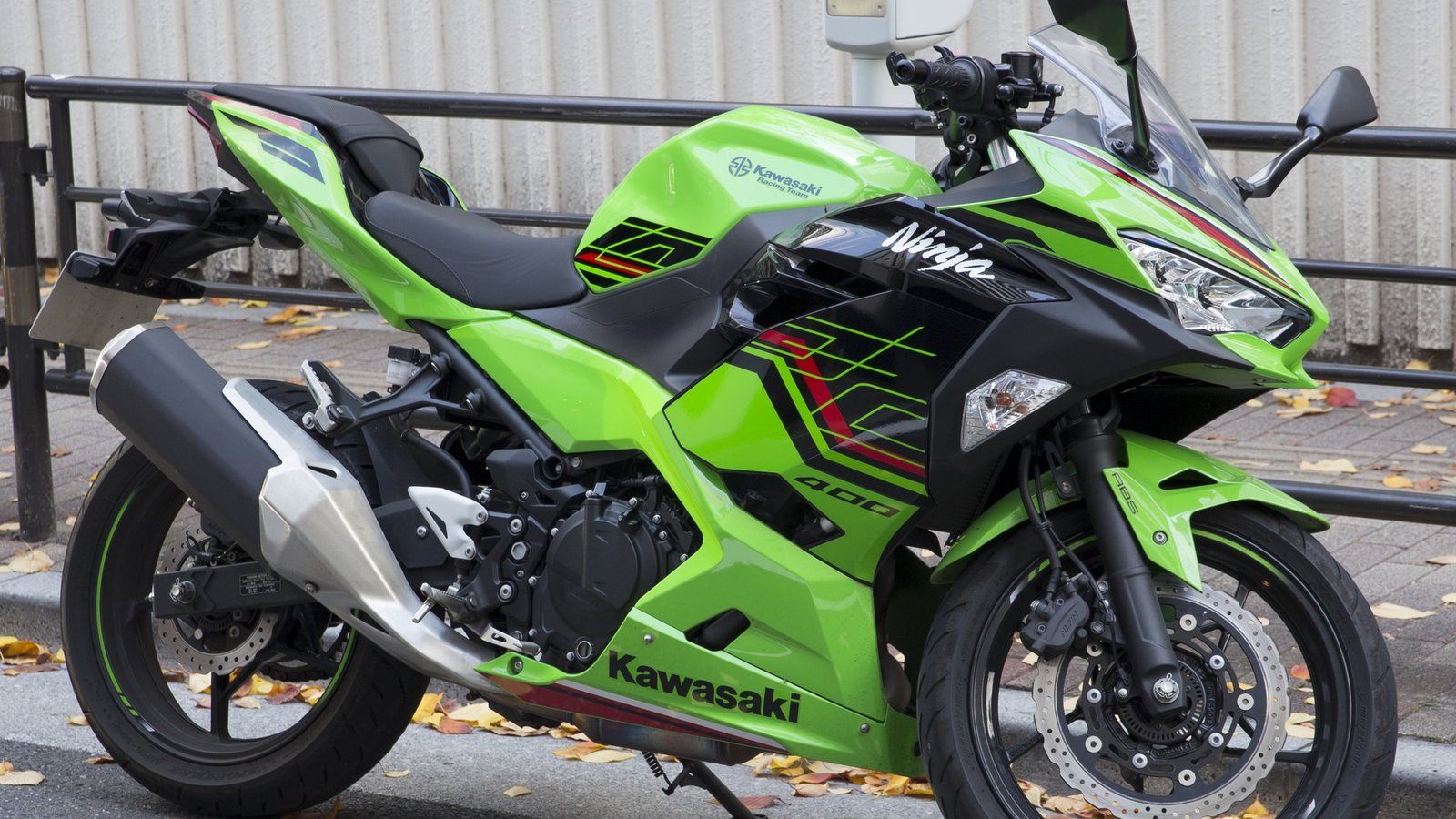
Alternatives to Consider
The CFMOTO 450SS is the most direct comparison in the sources. The table lines up the 2023 Kawasaki and the 2023 CFMOTO on the figures that matter most.
| Spec | 2023 Kawasaki Ninja 400 | 2023 CFMOTO 450SS |
|---|---|---|
| US MSRP | $5,499 (KRT Edition, non-ABS) | $5,499 |
| Power | 44.8–49 hp claimed at 10,000 rpm | 50 hp at 9,500 rpm |
| Weight | 374 lb measured | 399 lb with the 3.7 gal tank topped off |
| Front brake | Nissin two-piston caliper, 12.2 in (310 mm) disc | Brembo four-piston caliper, 320 mm disc, with ABS |
The 450SS lists more power, at 50 hp at 9,500 rpm. It also weighs more, at 399 lb with a full tank, compared with the Ninja 400’s measured 374 lb. The brake hardware differs as well, so compare the two bikes’ brake setups on the test ride.
If you want a newer Kawasaki, read our Kawasaki Ninja 500: Specs, Strengths, and Who It Suits guide. The Ninja 500 replaced the Ninja 400 in the US for 2024. For other beginner-friendly options, see Yamaha YZF-R3: Specs, Price, and Who It’s For and Yamaha MT-07 First Bike? Who It Suits and What to Know.
Keep Reading on Gear & Road
- Used Kawasaki Ninja H2: Recalls, Damage, and Mods to Check
- Kawasaki Versys 650: Specs, Price & Who It's For
- Kawasaki Z650: Middleweight Naked Bike Profile
- Kawasaki Eliminator 451cc Twin From $6,649
FAQ
Which Kawasaki Ninja 400 model years should I look at when buying used?
Start with the 2018 bikes, since the Ninja 400 was launched in the US on December 1, 2017 and listed as a 2018 model. Check whether the engine is Euro 5, which came with the 2022 update. The 2024 switch in the US means 2023 is the last model year under this name.
What is the most common complaint about the used Ninja 400’s neutral shifting, and how do I fix it?
The sources do not rank complaints. The one neutral report here comes from a 2018 owner who found shifting from second gear into neutral very hard. Editors advised adjusting the clutch cable as far out as possible before the clutch plates begin to engage. Test neutral at a stop before you buy, and ask the seller about the cable setting.
How much does routine maintenance cost on a Ninja 400 over the first 15,000 miles?
Through the first 7,500 miles, you will pay for two dealer services. The first, at 600 miles, was estimated at about $160. The second, at 7,500 miles, was estimated at about $450. The valve check arrives at 15,200 miles, with an estimate of about $950 including parts and labor.
A mechanically inclined owner can cut dealer costs roughly in half by doing their own oil changes and safety checks.
Is the Ninja 400 comfortable for taller riders?
It depends on your height and how you ride. An editor who is 6 ft 2 in or taller feels comfortable on it, though he would like a taller seat for track use. A rider who is 5 ft 11.5 in with a 31 in inseam did not fit it at a dealership. If you are tall, test the bike before you buy.
Bottom Line
A used Kawasaki Ninja 400 can be a practical, light bike, but it needs a careful inspection. Test neutral selection, budget for brake work, and plan to replace the stock tires early. Ask for service records, and remember that doing your own oil changes and safety checks can cut dealer costs roughly in half. If you are tall, or want adjustable suspension, look at the alternatives first.