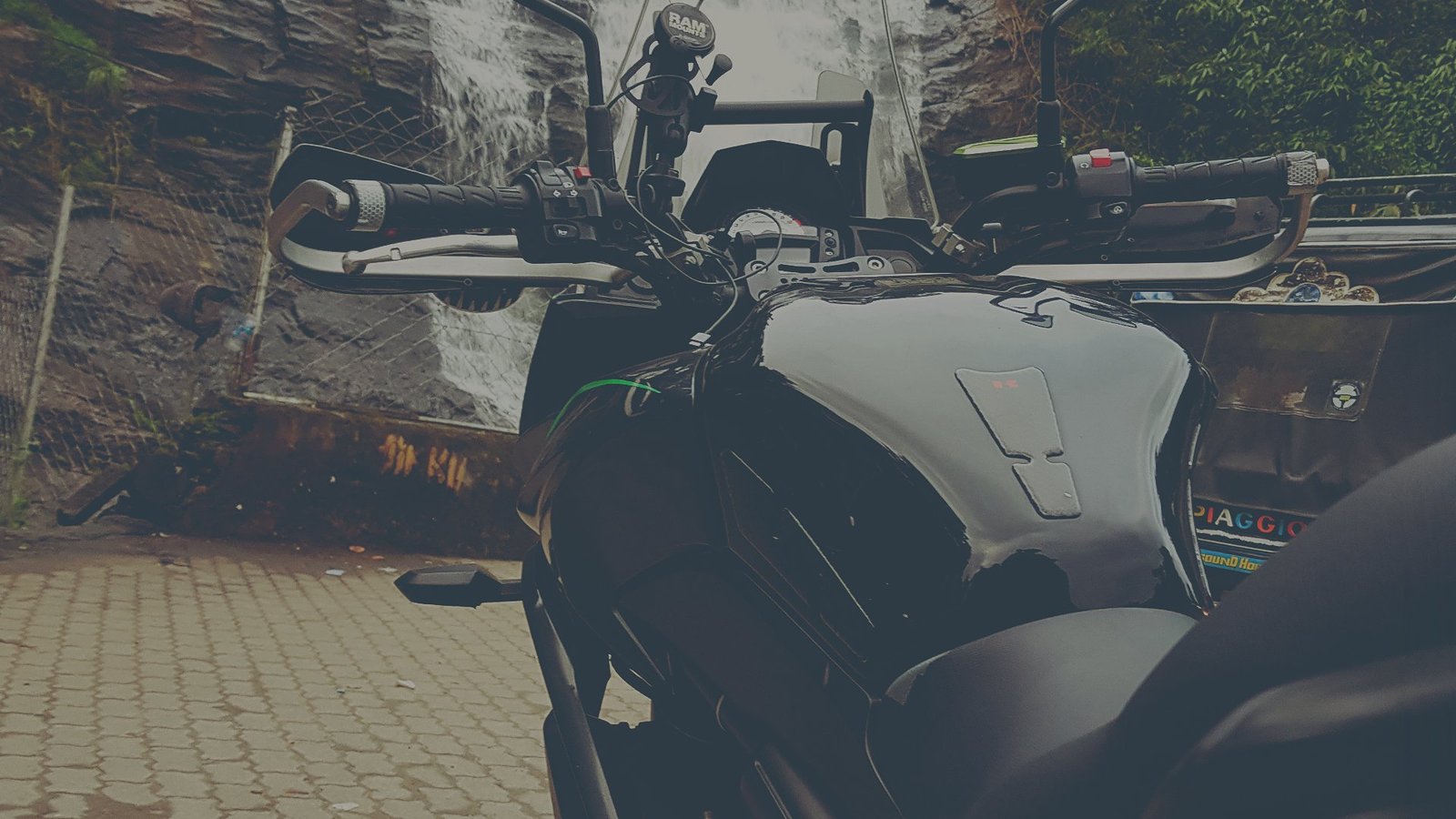
Kawasaki Versys 650 Overview
The Kawasaki Versys 650 is a bike built around a 649 cc parallel-twin engine. Kawasaki says it can conquer the city or leave it far behind, which fits office trips and weekend getaways. This guide covers what the Kawasaki Versys 650 offers, what it costs in the US, and which riders it suits best.
Kawasaki’s pitch centers on everyday use. The company says the engine inspires confidence for daily commuters and provides fun on weekend trips. It also calls the bike a capable partner for riding on all kinds of road surfaces.
The bike was refreshed for 2022. The new styling is mainly in the front cowling, inspired by the flagship VERSYS 1000. ABS is standard and no longer optional.
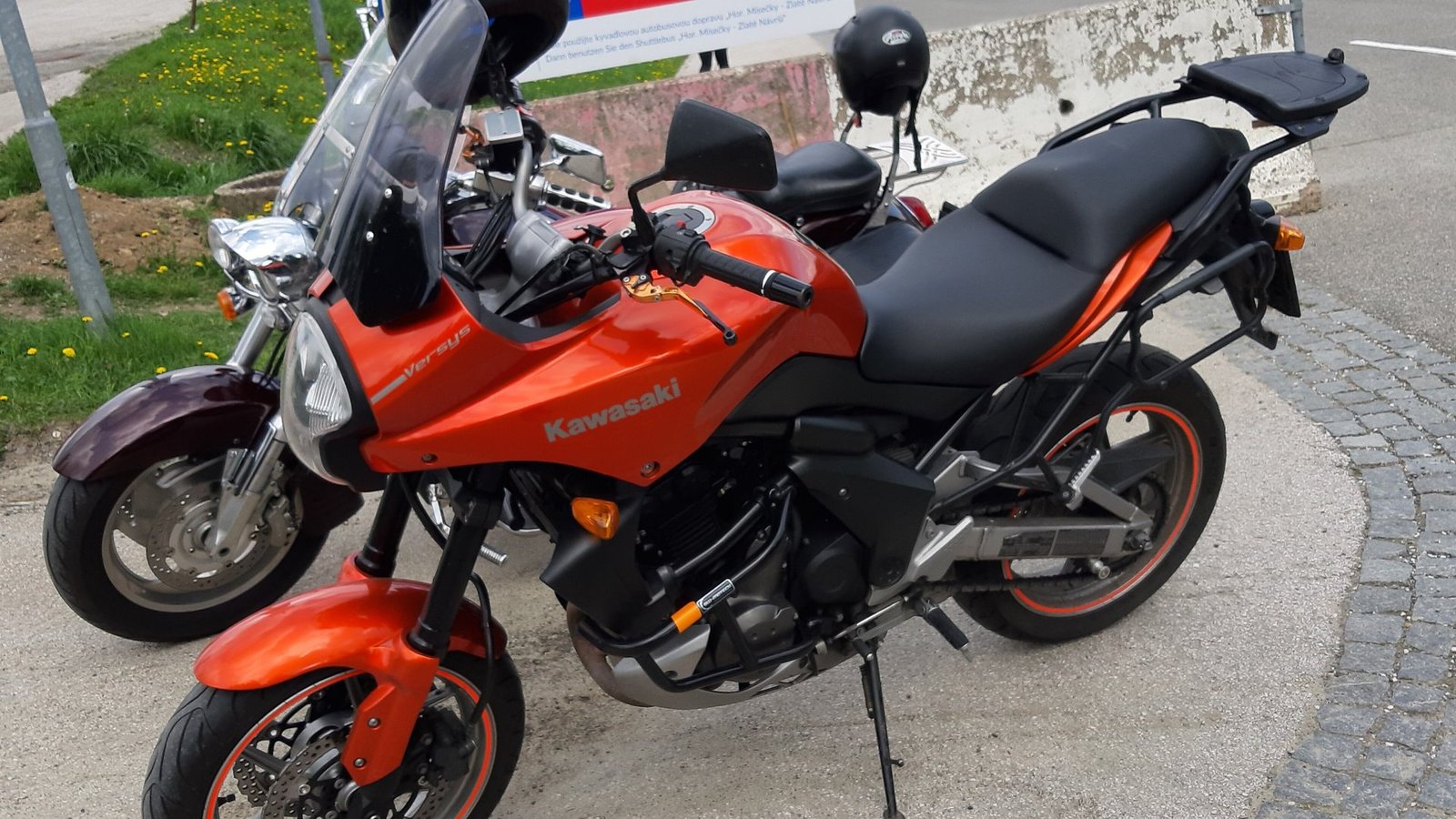
Engine & Performance
The engine is a liquid-cooled, 4-stroke, 8-valve DOHC parallel twin with 649 cc of displacement. It is fuel injected with a Keihin system. The 649 cc parallel-twin engine is unchanged for 2022, so the 2022 update was about the chassis and electronics rather than the engine.
Kawasaki uses dual throttle valve technology on this engine. A second set of ECU-controlled valves in each cylinder regulates intake airflow. The goal is a linear response, meaning the throttle opening matches the power you get without sudden surges. That makes the bike easier to ride smoothly in traffic.
The spec table lists peak power at 67 hp (50 kW) at 8,400 rpm. That is a modest figure, so you will get the most from the bike by keeping the revs up on hills and passes. Torque is listed at 42 lb⋅ft (57 N⋅m). Torque is what you feel when pulling away from a stop, so it matters as much as peak power for daily riding.
Chassis & Ergonomics
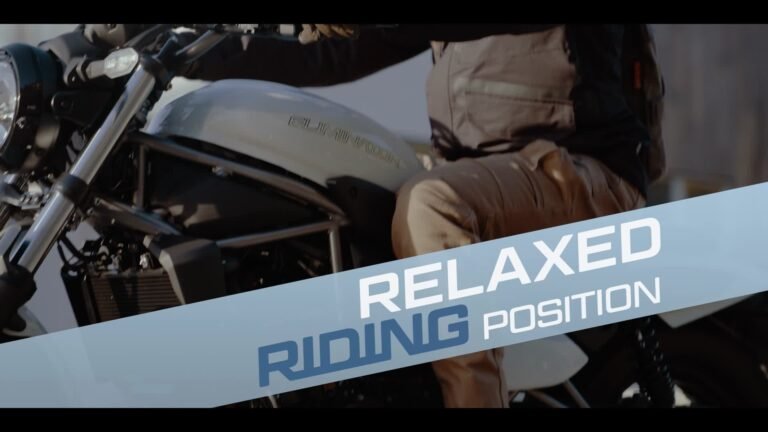
Kawasaki describes a slim, upright riding position meant for comfort on rides of any length. The seat height is 33.3 in (845 mm). That is tall enough that shorter riders should sit on the bike before buying, especially if they are new to riding.
The frame is a double-pipe diamond design made of high-tensile steel. The Versys 650 is listed at a wet weight of 454 lb (206 kg). Ground clearance is 6.7 in (170.2 mm), which gives some room over rough pavement and uneven surfaces.
The table below summarizes the main chassis specs.
| Spec | Listed value |
|---|---|
| Seat height | 33.3 in (845 mm) |
| Wet weight | 454 lb (206 kg) |
| Ground clearance | 6.7 in (170.2 mm) |
| Front suspension | 41 mm telescopic fork, 5.9 in (150 mm) travel |
| Rear suspension | Single offset laydown shock, 5.7 in (145 mm) travel |
| Front brakes | Dual 300 mm (11.8 in) petal-style discs, 2-piston calipers |
| Rear brake | Single 250 mm petal-style disc; single 220 mm (8.7 in) disc |
| Front tire | 120/70 ZR-17 |
| Rear tire | 160/60 ZR-17 |
| Fuel capacity | 5.5 gal (20.8 L) |
| Fuel consumption | 4.5 L/100 km (63 mpg-imp; 52 mpg-US) |
The front fork has adjustable rebound and preload, which lets you tune it for your weight and load. The rear shock is a semi-horizontal unit mounted from swingarm to frame, also with adjustable rebound and preload. Those adjustments matter more once you add a passenger or luggage.
The LT ABS version uses a Showa inverted fork with adjustable preload and rebound damping. Its rear suspension is by KYB.
Fuel use is part of daily riding costs. The bike has an Economical Riding Indicator that shows an ECO mark on the LCD when fuel consumption is low for a given speed. Use it to find a steady throttle that stretches each tank.
Features
The instrument panel is a 4.3-inch TFT color display. It replaced the older analog and LCD gauges. The display is full color and can pair with a smartphone.
Smartphone connectivity runs through the RIDEOLOGY THE APP. The TFT display has a Bluetooth chip for pairing with the Kawasaki Rideology app. Through the app, you can access instrument functions, the odometer, the fuel gauge, and the maintenance schedule.
The windscreen is height-adjustable from the rider’s seat. That is useful if you ride with the same windscreen setting at highway speeds and in town. Hand guards are included for increased wind protection. The bike also has LED headlights.
Kawasaki TRaction Control (KTRC) is designed to support stable riding on rough or slippery surfaces. The system has 2 modes. You can turn it off, and riders may elect to do so. The traction control is adjustable for two levels and is not IMU-based.
A USB outlet can be installed inside the front cowling as an accessory. That is handy if you use the app or a phone for navigation.
The 2022 update added a 2-level traction control system. It also brought a color TFT display, Bluetooth, LED lighting, and a manually adjustable windshield.
Price & Trims
The Versys 650 comes in a standard version and an LT version. For 2022, the standard Versys in black carried an MSRP of $8,899. The standard Versys in Kawasaki green was $9,099. The 2022 Versys 650 LT was priced at $9,999.
| Model (2022 MSRP) | Price |
|---|---|
| Versys standard, black | $8,899 |
| Versys standard, Kawasaki green | $9,099 |
| Versys 650 LT | $9,999 |
The LT comes with luggage and hand guards. Its hard saddlebags have KQR mounts and are rated at 7.3 gallons. The LT also has an adjustable windscreen and long-travel suspension.
The LT ABS uses the same 649 cc fuel-injected parallel-twin. It has the same 4.3-inch TFT color instrumentation and RIDEOLOGY THE APP connectivity. Its KTRC has 2 modes that let riders adjust settings, and riders may turn it off.
The extra hardware adds weight. The LT ABS has a wet weight of 502.9 lbs (228 kg) and a dry weight of 464.1 lbs (210.5 kg). That is heavier than the 454 lb (206 kg) wet weight listed for the standard Versys 650.
How It Compares
Kawasaki positions the Versys as a pragmatic daily bike, suited to commuting and freeway riding. Within that group, the Honda NC750X is the rival to look at for a pragmatic option. If you are weighing both, compare seat height, weight, and fuel capacity side by side, since those numbers will affect your daily use the most.
If you want a bigger adventure-style bike, the Honda Africa Twin: Specs, Price & Who It’s For is a different class of machine. For a smaller first bike, the Kawasaki Ninja 500: Specs, Strengths, and Who It Suits and the Yamaha MT-07 First Bike? Who It Suits and What to Know are worth reading before you decide.
Who It’s For (and Who Should Skip It)
The Versys 650 suits riders who want one bike for daily commuting and weekend trips. Kawasaki says the engine inspires confidence for commuters and provides fun on weekend roads. It also fits short office trips or a weekend away.
The LT suits riders who plan to carry gear. Kawasaki markets it for touring, carrying the rider, a passenger, and luggage to the next big adventure. If you ride mostly freeway miles in straight lines with an occasional fun ride, the bike’s profile fits that pattern.
Skip the Versys 650 if you want the lightest bike in the lineup. The standard model’s 454 lb wet weight is lower than the LT’s 502.9 lbs (228 kg). Skip the LT if you will never carry luggage, since the standard model costs less.
Also check the 33.3 in seat height before buying. A seat that is too tall for you will make stops and low-speed maneuvers harder. A test sit at a dealer is the simplest way to decide.
Keep Reading on Gear & Road
- Kawasaki Ninja 500: Specs, Strengths, and Who It Suits
- Used Kawasaki Ninja 400: What to Check and Common Issues
- Kawasaki Z650: Middleweight Naked Bike Profile
- Used Kawasaki Ninja H2: Recalls, Damage, and Mods to Check
FAQ
How much does the Kawasaki Versys 650 cost in the US?
For 2022, the standard Versys in black had an MSRP of $8,899. The standard Versys in Kawasaki green was $9,099. The Versys 650 LT was $9,999. Check with a dealer for current pricing, since these are 2022 figures.
What is the difference between the standard Versys 650 and the Versys 650 LT ABS?
The LT ABS adds luggage and hand guards. It has hard saddlebags with KQR mounts, rated at 7.3 gallons. It also has long-travel suspension and a Showa inverted fork. The LT is heavier, with a wet weight of 502.9 lbs (228 kg) compared with 454 lb (206 kg) for the standard model.
Does the Kawasaki Versys 650 have traction control, and can it be turned off?
Yes. Kawasaki TRaction Control has 2 modes. Riders can turn the system off. The LT ABS also has 2 adjustable modes and can have KTRC turned off.
The system is not IMU-based.
What is the fuel tank capacity and fuel economy of the Versys 650?
The fuel tank holds 5.5 gallons (20.8 L). One spec table lists 5.0 US gal. Listed fuel consumption is 4.5 L/100 km (63 mpg-imp; 52 mpg-US). The Economical Riding Indicator can help you keep consumption low.
Is the Kawasaki Versys 650 a good choice for a beginner rider?
It can be, if you plan to ride commuting or weekend roads. ABS is standard, and traction control can stay on while you learn. The 67 hp rating is modest. Before buying, sit on the bike, since the 33.3 in seat height is tall for some new riders.
Bottom Line
The Kawasaki Versys 650 is a practical bike for commuting, short office trips, and weekend rides. Its 67 hp engine is built for confidence more than speed. The 2022 standard models cost $8,899 to $9,099, and the LT cost $9,999. Choose the LT if you need luggage, and the standard model if you do not.
Sources
- Touring Motorcycle | Adventure Motorcycle | Kawasaki VERSYS® 650 ABS
- 2026 Kawasaki Versys® 650 ABS | Motorcycle | Capable & Comfortable
- News & Events | Kawasaki Heavy Industries, Ltd.
- Touring Motorcycle | Adventure Motorcycle | Kawasaki VERSYS® 650 ABS
- Kawasaki Versys 650 – Wikipedia
- 2026 Kawasaki Versys® 650 LT ABS
- 2027 Kawasaki Versys® 650 LT ABS
- 2022 Kawasaki Versys 650 LT Review First Ride