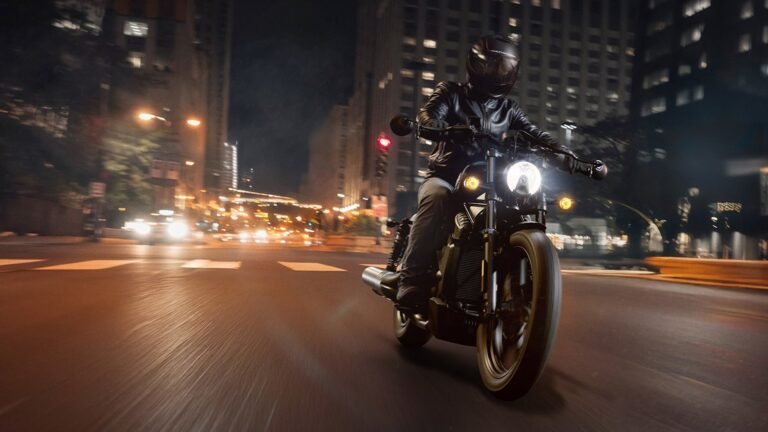
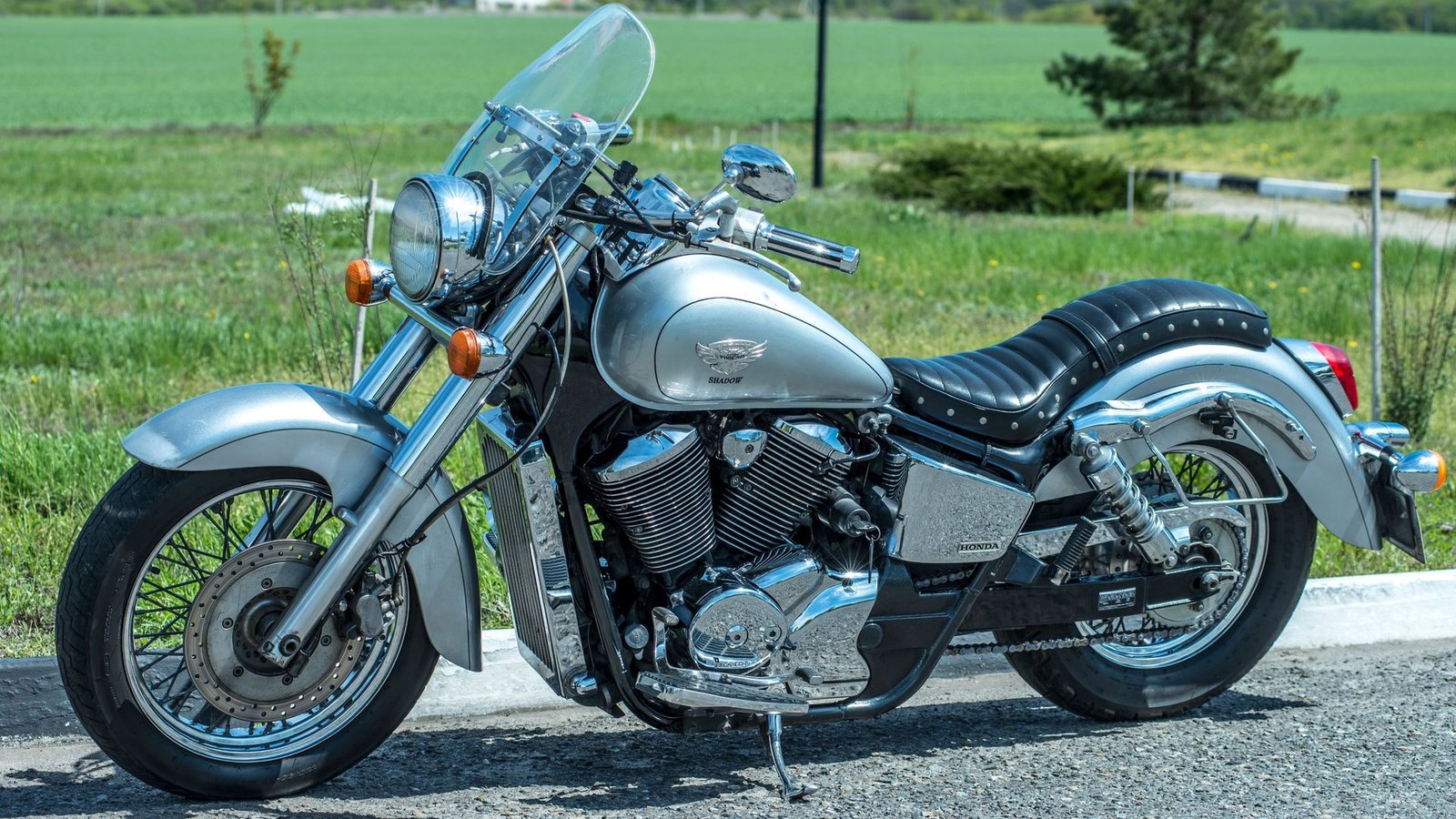
A cruiser motorcycle is built around style, customization, and easy low-speed riding. Cruisers place a focus on style, and customization is a key component of the experience. Their engines emphasize rideability and low-end torque, not necessarily large amounts of horsepower. This guide covers what defines the type, how it differs from other bikes, and what to check before you buy.
The Basics: What Defines a Cruiser Motorcycle
The style has American roots. Harley-Davidson and Indian cruisers are built in the style of the 1930s to early 1960s. For brand background, read Harley-Davidson History: How the Brand Got Here.
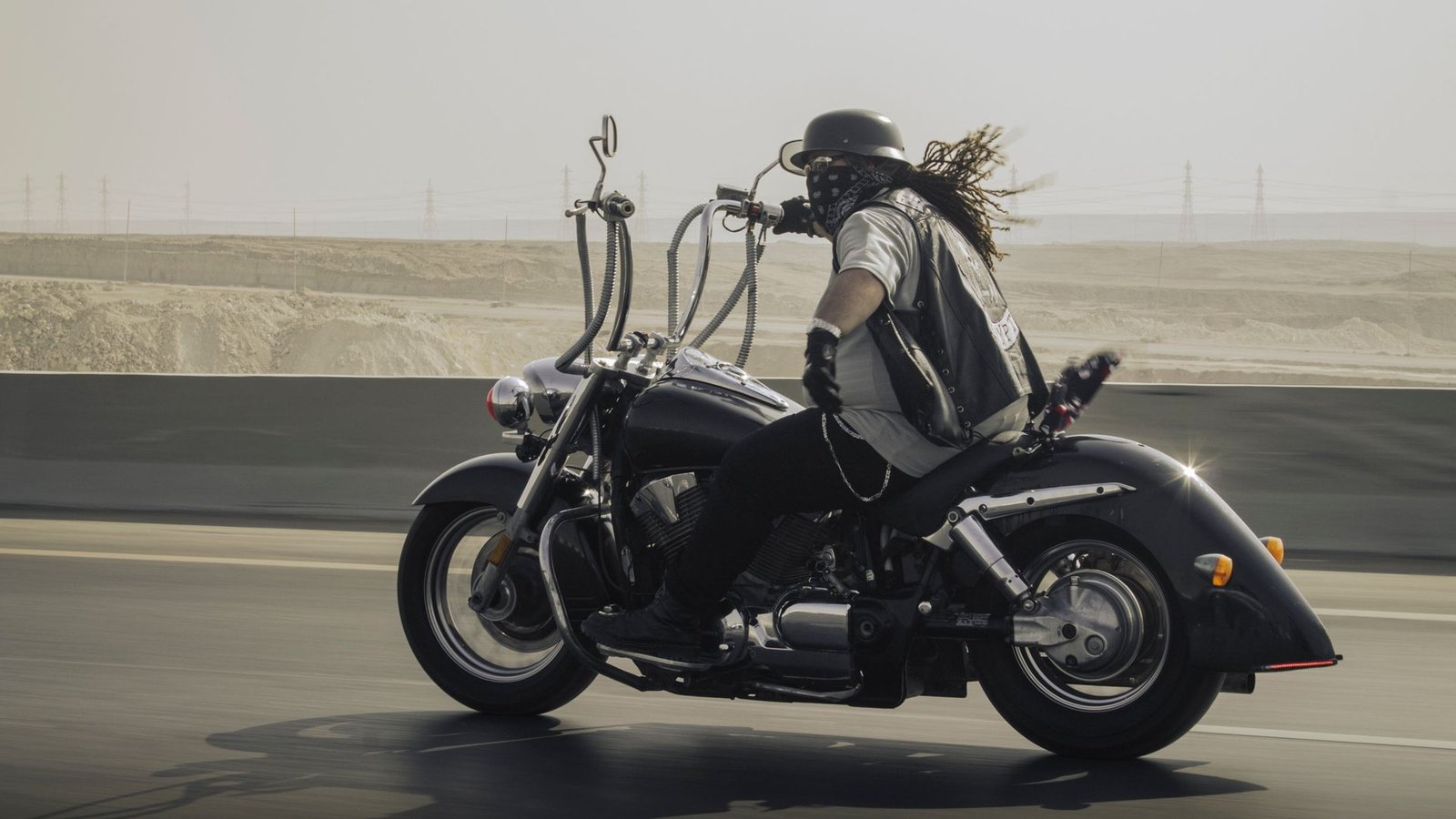
Several design traits set the type apart. Cruisers focus on engine power and appearance, with a kicked-out front end, taller handlebars, and mid- or forward-positioned foot controls. The rider sits with feet forward and hands up, spine upright or leaning back slightly. Seats are sometimes only 26 inches off the ground.
Most Harley-Davidson V-twins make strong low-end power for smooth acceleration from a stop. Traditional cruisers use V-twins, though inline engines have become more common.
Japanese companies began producing cruisers in the mid-1980s. By 1997, the cruiser market had grown to nearly 60 percent of the US market. Brands such as BMW, Honda, Moto Guzzi, Yamaha, Suzuki, Triumph and Victory have built models evocative of the American cruiser.
Cruisers with bigger engines, more horsepower, stronger brakes, and better suspension are often called power cruisers.
How Cruisers Differ From Other Bike Types
Cruiser and Sport models are typically lighter, with lower seat heights, than Touring and Adventure Touring motorcycles. That difference is most noticeable when you need your feet on the ground at a stop.
Baggers distill heavy cruisers and touring bikes, usually with cut-down fairings, hard side cases, and a big engine. Cruisers with extensive luggage have been called baggers, dressers, or full dress tourers, terms that may now apply to any touring motorcycle.
Naked bikes have a more upright seating position than sportbikes. If a naked bike is on your list, read Yamaha MT-07 First Bike? Who It Suits and What to Know before deciding.
Traditional cruisers have limited performance and turning ability because of their low-slung design. Power cruisers commonly have upgraded brakes and suspensions, plus better ground clearance and premium surface finishes. They can also be leaned further for better cornering. Many power cruisers and Japanese cruisers of the 1980s have more neutral riding positions.
Weight alone does not settle handling. A heavier bike with a lower center of gravity may feel lighter and be easier to handle at low speeds.
Why Seat Height and Weight Matter for Beginners
Low seat height builds confidence because both feet can sit flat on the ground when the bike is stopped. Low cruiser seat heights make flat-footing easier for newer or smaller riders.
| Model | Seat height |
|---|---|
| Softail Slim | 25.5 in |
| Iron 883 | 25.7 in |
| Street Bob | 25.8 in |
| Nightster and Nightster Special | 27.1 in |
| Sportster 1200 Custom | 28 in |
Mini streetbikes, a different category, have low seat heights of about 30 in and weights of about 225 to 250 lb. Compare cruisers with cruisers when you shop.
Weight and handling matter as much as height. The Softail Slim has a lightweight, nimble frame that is easy to handle, even at low speeds. The Street 500 and 750 are lightweight cruisers with a low center of gravity. The Sportster XL has a low seat height and narrow profile to inspire confidence.
The Sportster 1200 Custom handles well because of its low center of gravity. Its 28 in seat is the tallest in the table above, so sit on it before you commit.
Power needs the same care. Beginners should not buy a bike too heavy to pick up or with too much power. Grabbing too much throttle can make a powerful engine react faster than you can respond. Small-displacement motorcycles of 250cc to 500cc are a great option for beginners, since they are light, have enough power for highway speeds, and deliver power in a beginner-friendly way.
Engines and Models to Look At
No single best beginner motorcycle exists, because riders differ in size, tastes, riding styles, and local streets. The Street 500 is often the bike used in Harley-Davidson Riding Academy classes. Across the category, cruisers run from 250cc to 2,500cc.
| Model | Engine |
|---|---|
| Street 500 | 494cc liquid-cooled V-twin Revolution X |
| Street 750 | 749cc liquid-cooled V-twin Revolution X |
| Nightster | Liquid-cooled Revolution Max 975T |
| Nightster Special | Revolution Max 975T |
| Iron 883 | 883cc V-twin |
| Sportster 1200 Custom | Classic air-cooled 1200cc Evolution V-twin |
| Softail Slim | 107-cubic-inch Milwaukee-Eight |
| Street Bob | Milwaukee-Eight 117 Classic |
The Sportster XL uses a fuel-injected, air-cooled Evolution V-Twin in 883cc or 1200cc. The Street 500 and 750 use a liquid-cooled, fuel-injected V-twin. They feature comfortable suspension and a broad handlebar sweep.
The Nightster’s fuel tank sits below the seat, which lowers the center of mass. The Nightster Special is about two inches lighter than the Nightster and adds ride modes, traction control, and tire pressure monitoring. The Milwaukee-Eight 107 delivers smooth power that suits city cruising or light touring.
The 2025 Harley-Davidson cruisers use the Milwaukee-Eight 117 cubic-inch V-Twin, with a 10.3:1 compression ratio. Its three tunes differ in output:
| Tune | Power | Torque | Used in |
|---|---|---|---|
| Classic | 98 hp | 120 lb-ft | Street Bob, Heritage Classic |
| Custom | 104 hp | 126 lb-ft | Breakout, Fat Boy |
| High Output | 114 hp | 128 lb-ft | Low Rider S and ST |
The High Output tune gains 300 rpm before its 5,900 rpm redline. It is the strongest of the three, so skip it on a first bike.
The 2025 Harley-Davidson Cruiser line-up consists of six Softail models. The whole line has three ride modes, a six-axis IMU, and cornering ABS, cornering traction control, and cornering drag torque slip control. Softail models offer Sport, Road, and Rain modes. Cruise control and a USB-C charge port are standard.
Common Mistakes Beginners Make When Buying a Cruiser
The most common mistake is buying after one ride. Visit several stores, sit on everything, and test ride what you can. Ask the dealer for a test ride, or two. Schedule one on a new or Harley-Davidson Certified motorcycle to find the right model.
A used motorcycle may need money beyond its price, such as new tires, a new chain, or a tune up. Avoid bikes without complete service history, or with a salvage, rebuilt, or missing title. Harley-Davidson Certified pre-owned bikes must be no more than five model years old with less than 25,000 miles. Certified motorcycles also carry a 12-month factory-backed limited warranty on the engine and transmission.
A new motorcycle is the more expensive purchase and insurance option. If your budget is firm, compare options in Best Motorcycles Under $8,000 in 2026.
Passing a basic course does not make you a full-fledged motorcyclist. Resist buying a new inline-4 sportbike until your skills develop.
Gear and Training: Your Next Steps
Start with training before you spend on a bike. The MSF course is suggested as a way to decide if motorcycling is for you, because it costs less than a motorcycle, insurance, and gear.
| Option | What it covers |
|---|---|
| MSF Basic RiderCourse | About five hours of classroom and ten hours of riding, usually over two days |
| MSF Basic eCourse | Online option for people unsure whether they want to ride |
| Harley-Davidson Riding Academy | Training for riders of all skill levels |
Some states require the MSF Basic RiderCourse to obtain a motorcycle license. Skills tests differ by state, so check with your local DMV. Find MSF-based courses by entering your zip code on the MSF website.
Check whether your state offers incentives for the training class. A training completion certificate may qualify you for an insurance discount. Some manufacturers help pay for rider education when you buy new. Harley-Davidson’s HD Ride Free Program gives active and former military personnel free training.
The Harley-Davidson beginner guide describes its author completing the New Rider Course and getting a license at the DMV before buying a motorcycle. When you find the right model, schedule a test ride or locate the nearest Harley-Davidson dealer.
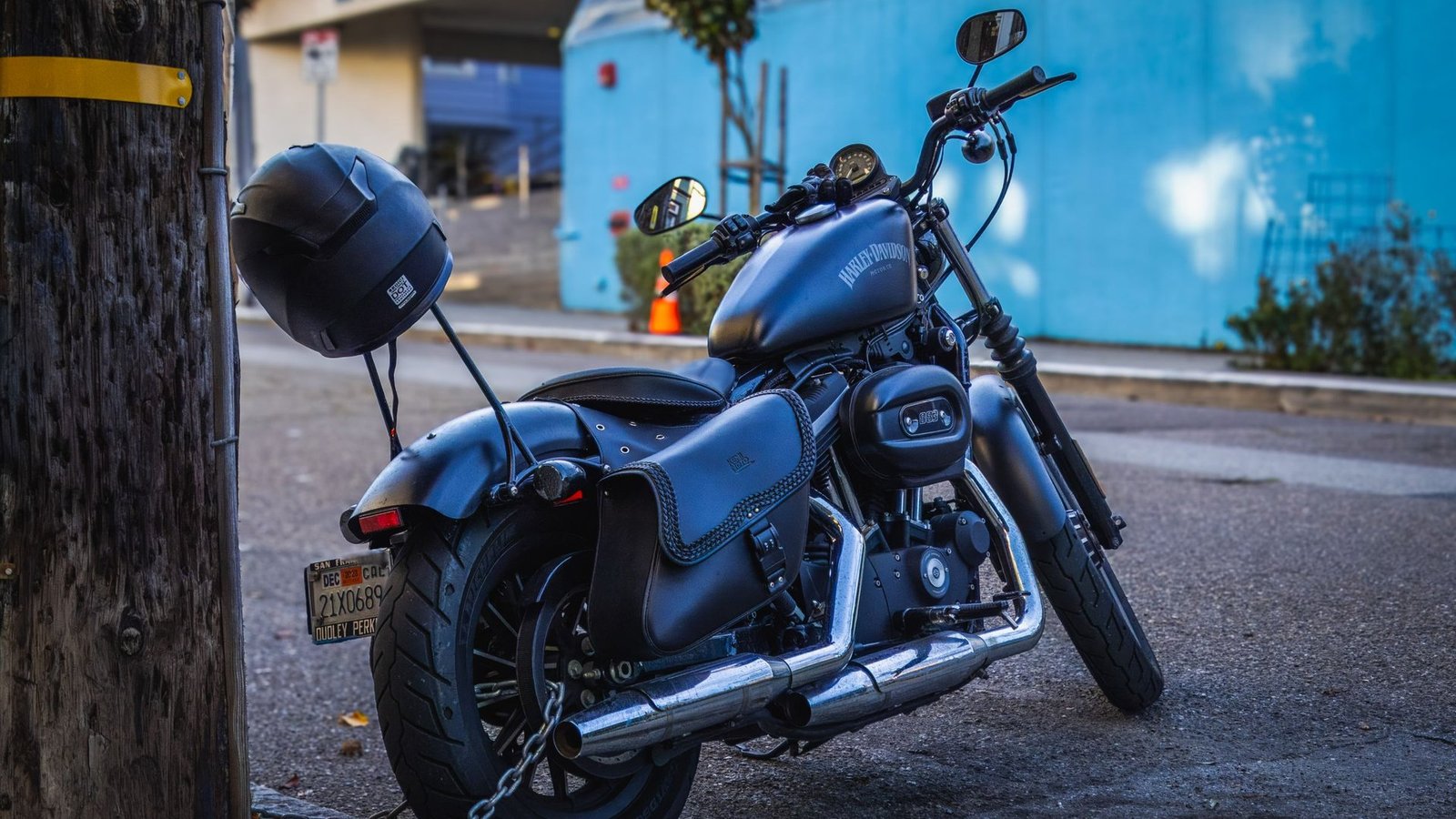
Gear matters from day one. A motorcycle helmet must be DOT-certified to be street legal. Casual-wear jeans offer little protection in a crash or slide, and regular department store denim will not suffice. Padded mechanic gloves and dirt bike gloves will not protect from serious impact, so buy motorcycle gloves.
FAQ
Is a cruiser motorcycle good for beginners?
It can be, if you choose carefully. Low seat heights make flat-footing easier for newer riders. Skip bikes that are too heavy to pick up or have too much power. No single best beginner bike exists, so test ride several before you commit.
How low does a cruiser’s seat need to be for a new rider?
No source gives a required height. The goal is both feet flat on the ground when stopped. Models range from the Softail Slim at 25.5 in to the Sportster 1200 Custom at 28 in, so sit on several before buying.
How much does a cruiser motorcycle cost?
Cruisers range from 250cc at about $4,700 to 2,500cc at about $24,000. The source gives no model year for these prices, so confirm current MSRP with a dealer. Used bikes can add costs for tires, a chain, or a tune up.
Do I need a DOT helmet and a motorcycle license before riding a cruiser?
A DOT-certified helmet is required to be street legal. Some states require the MSF Basic RiderCourse to obtain a license. Skills tests differ by state, so check your DMV. Some states do not require helmets, but a Snell and/or DOT-certified helmet is strongly recommended.
Bottom Line
A cruiser motorcycle is style-first, with easy low-speed power and a relaxed riding position. Compare seat height, weight, and engine power before you buy, since too much power is hard for beginners. No single model suits every rider, so take a test ride on a new or Harley-Davidson Certified motorcycle first.
Sources
- Beginner Motorcycle Guide & Tips | Harley-Davidson USA
- Best Beginner Cruiser Motorcycles from H-D | Harley-Davidson USA
- Cruiser (motorcycle) – Wikipedia
- Which Type of Motorcycle is Right for You?
- Beginner Motorcycles, Gear, And New Riders
- Basic Rider Training
- 2025 Harley-Davidson Cruiser Review – First Ride
- 2025 Harley-Davidson Softail Cruisers Review and Overview