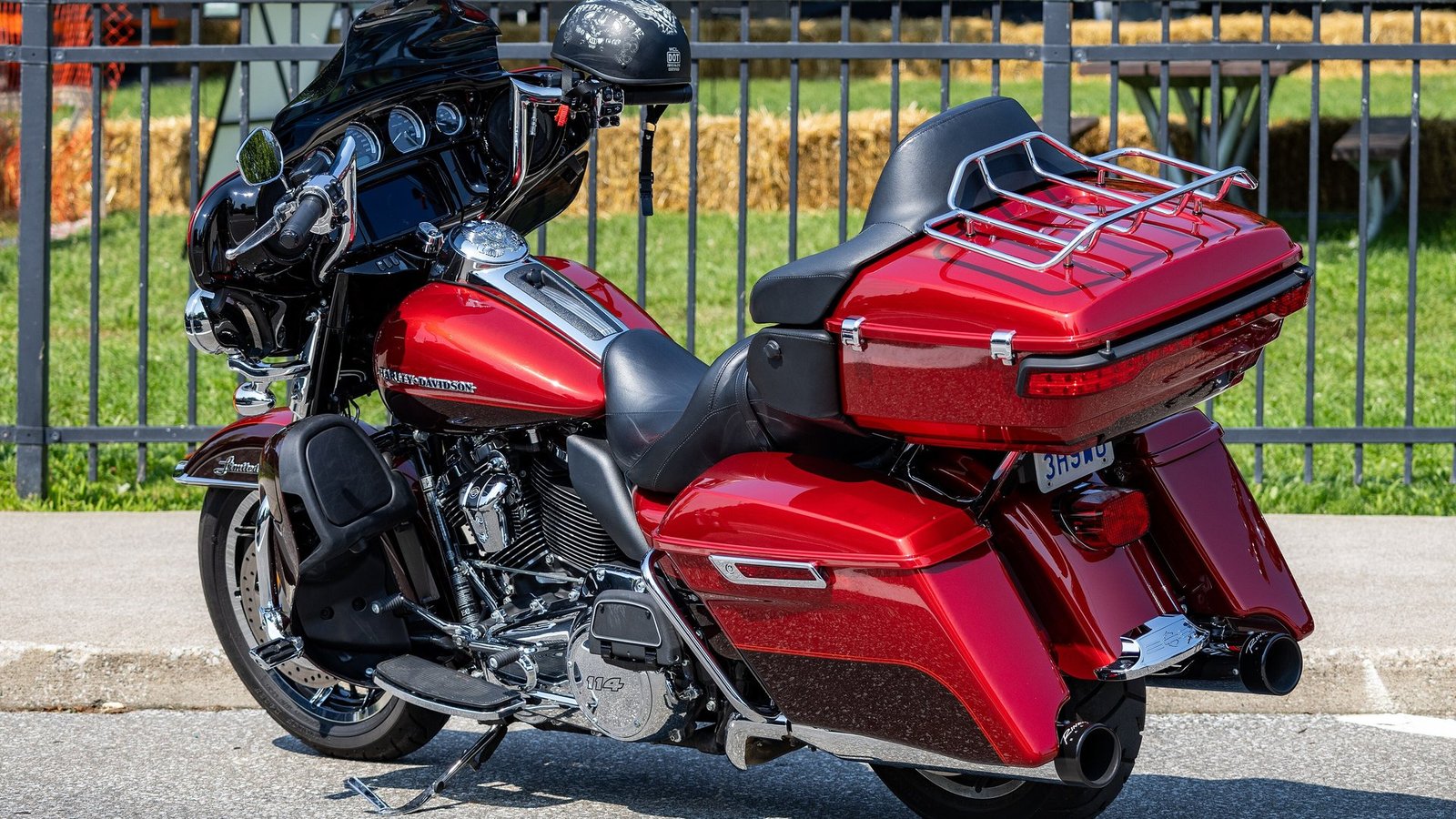
The core question in Road Glide vs Street Glide is how each bike’s fairing, handlebar and weight fit the way you ride. Both models share the same engine, so the real choice comes down to chassis details. The Road Glide mounts its fairing to the frame, while the Street Glide mounts its fairing to the forks. This guide compares the two so you can match them to your own riding.
Road Glide vs Street Glide: At a Glance
The 2026 models give the cleanest side-by-side comparison, so the table below uses those figures.
| Spec (2026) | Road Glide | Street Glide |
|---|---|---|
| Engine | Milwaukee-Eight 117, liquid-cooled | Milwaukee-Eight 117, liquid-cooled |
| Power | 105 hp (78 kW) at 4600 rpm | 105 hp (78 kW) at 4600 rpm |
| Weight in running order | 838 lb | 811 lb |
| Laden seat height | 26.6 in | 26.4 in |
| Fairing mount | Frame | Forks |
| Fuel capacity | 6 gal | 6 gal |
| Estimated fuel economy | 44 mpg city/highway | 44 mpg city/highway |
The two bikes are close on paper. The differences you will notice sit in the fairing mount, the handlebar and the weight. Both carry the same 6-gallon tank and the same 44 mpg estimate, so fuel economy will not separate them.
Engine: The Same Milwaukee-Eight 117
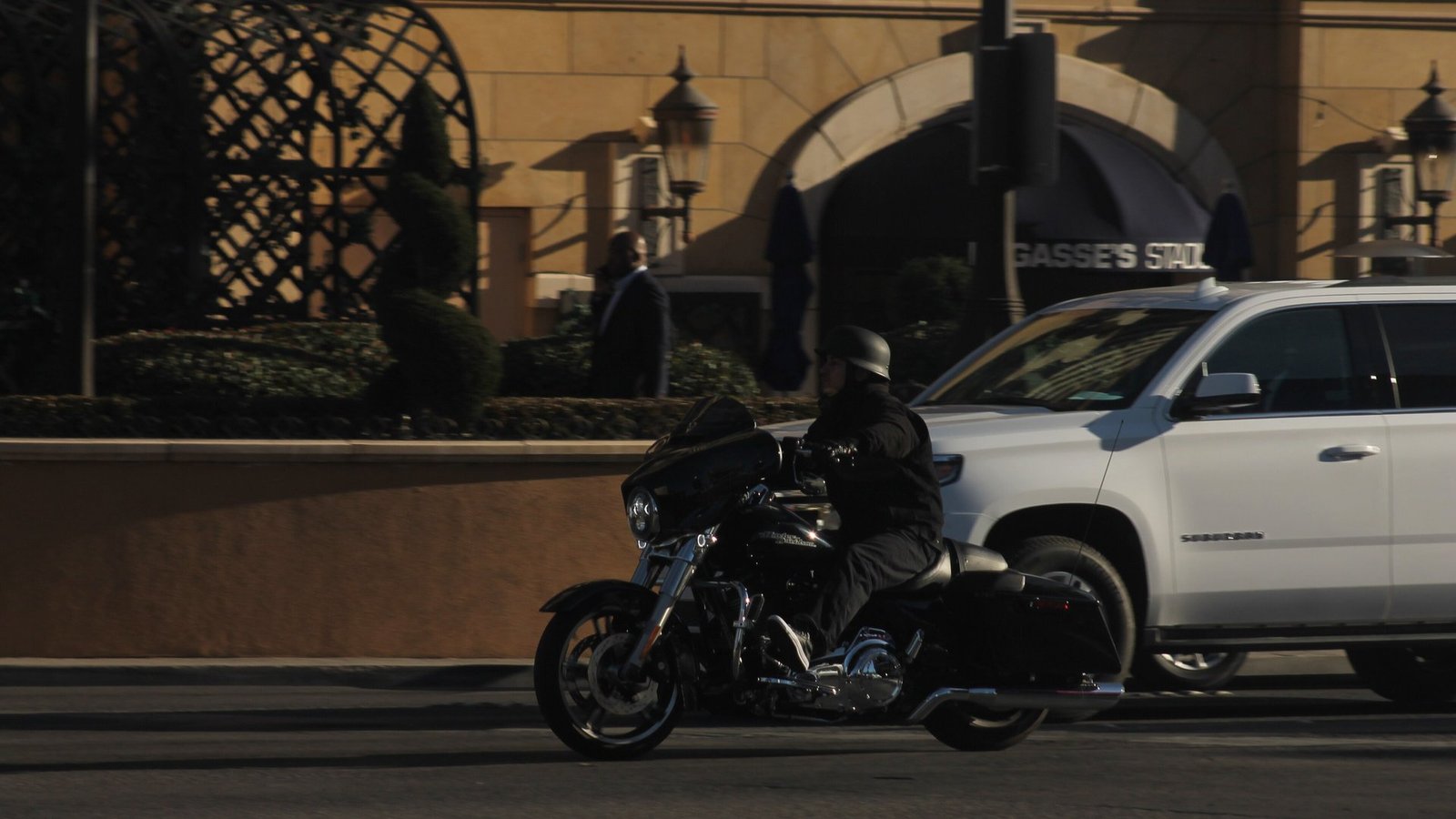
Both models use the Milwaukee-Eight 117 V-Twin. That engine displaces 117 cubic inches (1923 cc) on both bikes. For the 2026 models, each is rated at 105 hp (78 kW) at 4600 rpm.
For 2024, both models listed peak torque of 130 lb-ft at 3250 rpm. The engine also uses liquid-cooled cylinder heads, which sets it apart from the Milwaukee-Eight 114 on the Road King Special.
Because the engines match, you won’t get more power from one than the other. Your decision should rest on the fairing, the handlebar and the weight. If you want a different engine, neither Glide will give you one, so skip either bike on engine grounds alone.
Weight & Ergonomics: Handlebar, Seat and Suspension
Weight and Seat Height
The 2026 Street Glide weighs 811 lb in running order. The 2026 Road Glide weighs 838 lb. Harley-Davidson puts the Street Glide at approximately 20 pounds less, and both bikes are well north of 800 pounds.
That weight shows up when you walk the bike backward out of a parking space. The seat heights are close, at 26.4 in on the Street Glide and 26.6 in on the Road Glide. Shorter riders should still sit on both before deciding.
Handlebar Position
The Road Glide’s handlebar sits much higher than the Street Glide’s. On the 2026 Road Glide, the bars adjust through 27 degrees of adjustability. The 2024 Road Glide added a new flatter-bend handlebar that Harley-Davidson says is more comfortable for taller riders.
If you prefer a lower, more forward reach, the Road Glide’s higher bar may not suit you. Test the reach before you commit.
Seat and Suspension
Both models use a redesigned one-piece seat with padding that rotates the rider’s hips toward a neutral position. Harley-Davidson describes the Road Glide’s one-piece seat as intended for all-day comfort.
Rear suspension travel is 3.0 in (76 mm), a 50 percent increase over previous models. The hydraulic rear preload adjusts without tools and accommodates up to an additional 100 pounds of cargo or passenger loading. Riders who carry heavy loads often should use that range. Solo riders may never touch it.
Both bikes use 1.9-inch dual bending valve front forks. Each also has 3-inch dual outboard emulsion rear shocks with preload adjustability. Harley-Davidson describes the Street Glide’s rear suspension as ride-tuned for long-haul comfort.
Fairing & Wind Protection: Fork-Mounted vs Frame-Mounted
The Road Glide fairing attaches directly to the frame and does not move with the handlebar. The Street Glide fairing attaches to the forks, which places the display close to the rider. You will notice that difference every time you turn the bars.
The Road Glide’s Sharknose fairing was developed with computational fluid dynamics to improve aerodynamic efficiency and reduce helmet buffeting. Harley-Davidson’s wind tunnel testing reports that subjective helmet buffeting fell by an average of 60 percent compared with 2023 models. Harley-Davidson’s page also says the Sharknose makes the Road Glide a favorite for every level of rider.
The Street Glide keeps the batwing shape, and Harley-Davidson says that profile is what the traditionalist associates with the brand. Harley-Davidson says the Road Glide appeals to performance-oriented riders and to those moving from sport motorcycles that used a fixed fairing. For background on why the batwing matters to the brand, read Harley-Davidson History: How the Brand Got Here.
If you want the batwing look, the Street Glide is the one to pick. If you want the most wind-focused design, look at the Road Glide.
Features: Display, Audio and Rider Aids
Both bikes use a 12.3-inch TFT touchscreen that replaces analog instruments and most switches. The Road Glide display runs Skyline OS in full color, and so does the Street Glide’s. Navigation and ride information sit in one place, so you will spend less time hunting for switches.
The two bikes handle phone storage differently. The Road Glide has left and right media storage sized for most phones, with a USB connection point. The Street Glide has one push-button media drawer below the display, with a USB connection point.
Wi-Fi connectivity enables wireless Apple CarPlay, live traffic, weather and map updates, and a Bluetooth receiver for headsets. The infotainment center accepts Apple CarPlay but not Android Auto. If you rely on Android Auto, neither Glide fits that need.
Audio comes from a new four-channel, 200-watt amplifier that drives two 5.25-inch fairing-mounted speakers. Both bikes offer Road, Sport, Rain and a rider-programmable Custom mode. The Rider Safety Enhancements list includes C-ELB, C-ABS, C-TCS, C-DSCS, Vehicle Hold Control and TPMS.
Two pre-wired connection points for heated gear sit below the seat. Both models use all-LED lighting designed to make them conspicuous to other motorists.
Price: What You Will Actually Pay
MSRP is the starting point, not the final number on your paperwork. Model years matter here, so compare like with like.
| Model year | Road Glide | Street Glide |
|---|---|---|
| 2026 MSRP | $25,999 (Chrome-Solo Dark Billiard Gray) | $24,999 (Dark Billiard Gray) |
| 2025 starting price | $27,999 | $27,749 |
For the Road Glide, the 2025 starting price is a $2,000 increase over the 2024 MSRP. Check the model year and trim on any listing before you compare numbers.
Which to Choose (and Who Should Skip Each)
Choose the Road Glide If
Harley-Davidson describes the Road Glide as made for long-distance touring. Its one-piece seat is intended for all-day comfort, and its Sharknose fairing targets aero efficiency. It suits riders who want that fairing and a higher, adjustable bar.
Skip the Road Glide if you want the batwing look Harley-Davidson ties to traditional riders. Skip it too if you want the lighter of the two bikes.
Choose the Street Glide If
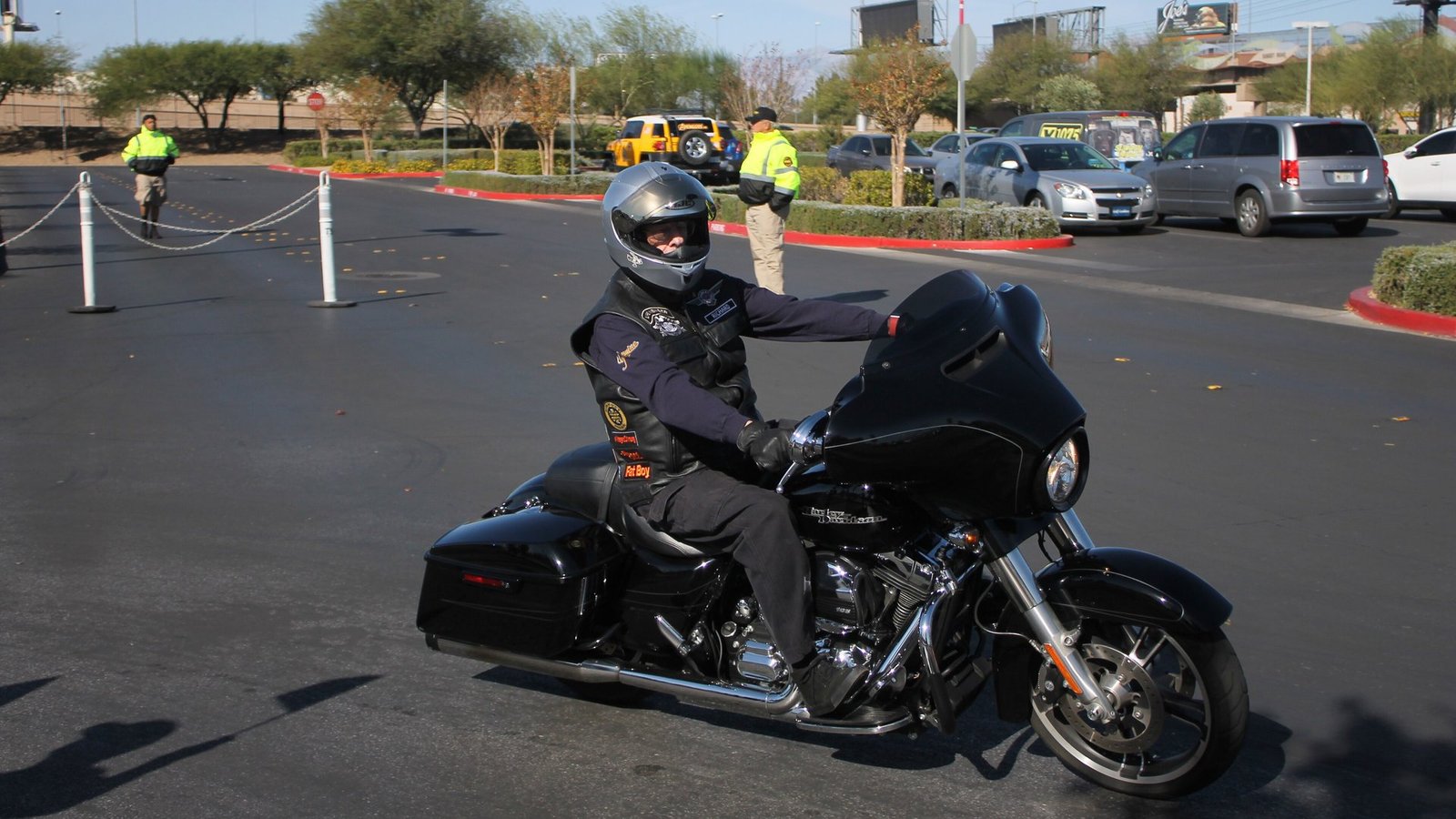
Harley-Davidson markets the Street Glide to riders who want to roam on long-haul rides with comfort. It describes the bike as classic American touring with comfort and classic style. The ride-tuned rear suspension is aimed at long-haul comfort.
Skip the Street Glide if you want the Sharknose fairing or a higher handlebar. Those are Road Glide features.
Keep Reading on Gear & Road
- 2018 Harley-Davidson Street Glide: Clutch Recall Facts
- Harley-Davidson for Beginners: Which Models Fit You
FAQ
Is the Road Glide or Street Glide better for beginners?
On paper, the Street Glide is the easier fit. It weighs 811 lb against the Road Glide’s 838 lb, and its seat sits at 26.4 in against 26.6 in. Sit on both before you decide, because the gap is small.
Does the Road Glide have better wind protection than the Street Glide?
The Road Glide has the clearest wind-focused design claim. Its Sharknose fairing is developed to improve aerodynamic efficiency and reduce helmet buffeting. Harley-Davidson’s testing reports a 60 percent drop in subjective buffeting compared with 2023 models. Judge the protection on a test ride, since your height and helmet matter.
Do both models have the same brakes and rider aids?
The brakes match. Both use upgraded Brembo brakes with 320mm front discs and a 300mm rear disc. Both list 4-piston fixed front calipers on floating rotors.
The rider aids overlap. Both models include C-ELB, C-ABS, C-TCS, C-DSCS, Vehicle Hold Control and TPMS. Harley-Davidson ties ABS, traction control, drag-torque slip control and vehicle hold control to the Road Glide but does not mark which ones come standard. The Street Glide lists ABS and C-ABS.
Bottom Line
Road Glide vs Street Glide comes down to fairing mount, handlebar and weight. The Road Glide suits riders who want the Sharknose and a higher bar, and its frame-mounted fairing sets it apart. The Street Glide suits riders who want the batwing look and a bike that weighs less, at 811 lb.
Sources
- Road Glide vs Street Glide Comparison | Harley-Davidson USA
- 2026 Street Glide Motorcycle | Harley-Davidson USA
- 2026 Road Glide Motorcycle | Harley-Davidson USA
- 2024 Harley-Davidson Street Glide and Road Glide Review
- 2025 Harley-Davidson Carry-Over Models Announced
- 2024 Harley-Davidson Road Glide® Base
- 2024 Harley-Davidson Street Glide® Base